|
|
|
CONSULTING MISSIONS (SINCE 2005) |
 |
Measuring Impacts of Tourism to Protected Areas
|
Tourism in protected areas has increased significantly in recent years. In many cases, ecotourism has become mass tourism, where the selfie counts more than nature experience. This makes it all the more important to consider the impact on ecosystems and the extent to which residents in the vicinity of protected areas can benefit from tourism or rather suffer from it. A study will compare common analysis methods used by leading organizations, summarize experiences and dreive recommendations for selected protected areas in Asia.
The Project is being carried out on behalf of GIZ.
|
|
|
Guest Lecturate at Silk Road University Samarkand
|
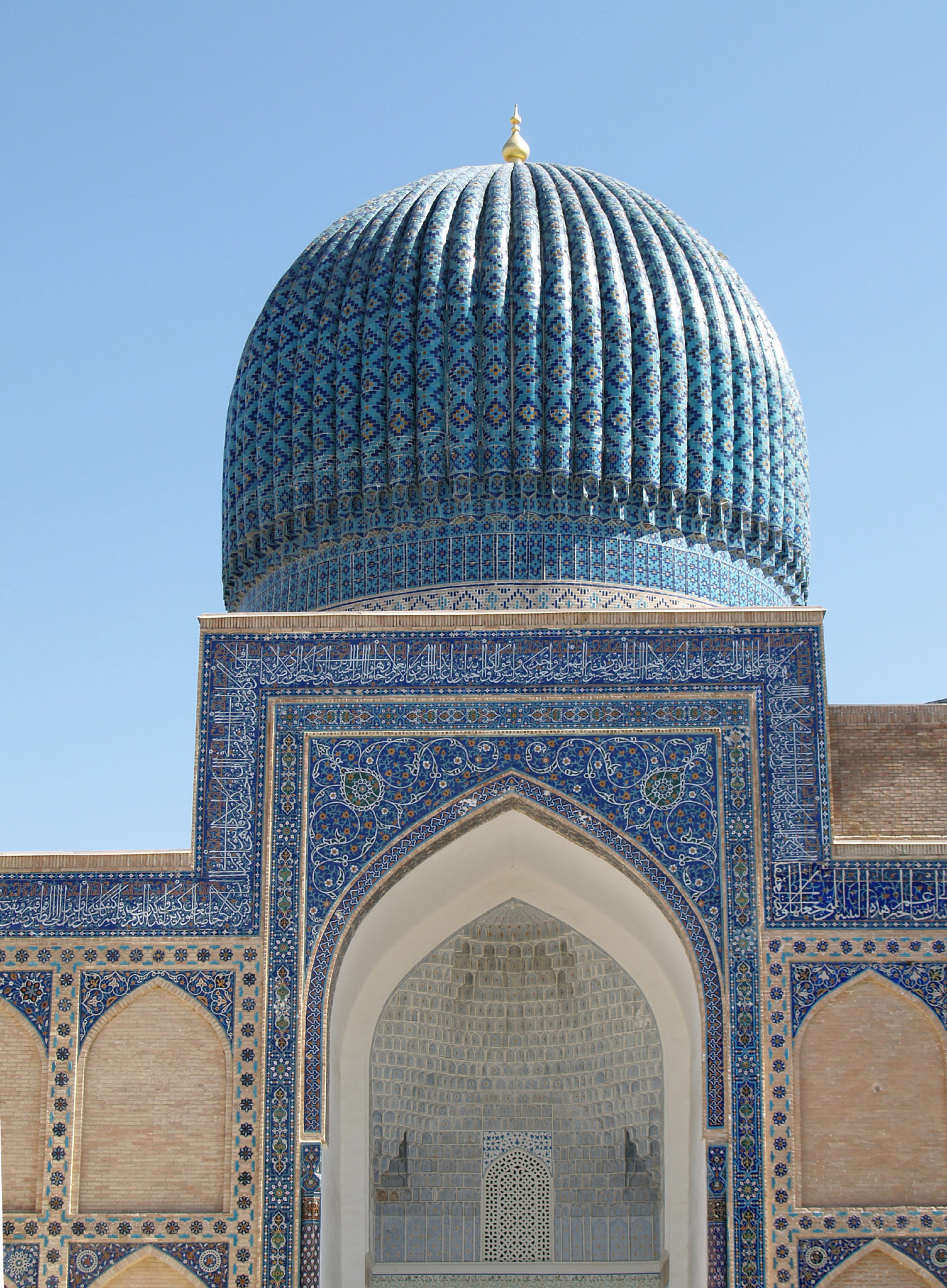
Silk Road University in Samarkand is one of the leading touism universities in Central Asia. Since the beginning of 2025, I have been appointed by the university management to give regular guest lectures in sustainable tourism management.
|
|
|
IKI Small Grants
|
This Year, I was once again commissioned by GIZ within the German International Climate Initiative (IKI) to review and asses international project proposals in the field of biodiversity. Once again, numerous NGOs from Africa, South America, Asia and smaller island states submitted their proposals with interesting ideas and innovations.
|
Visitor Strategy Sudochye Lake System Ramsar Site
|
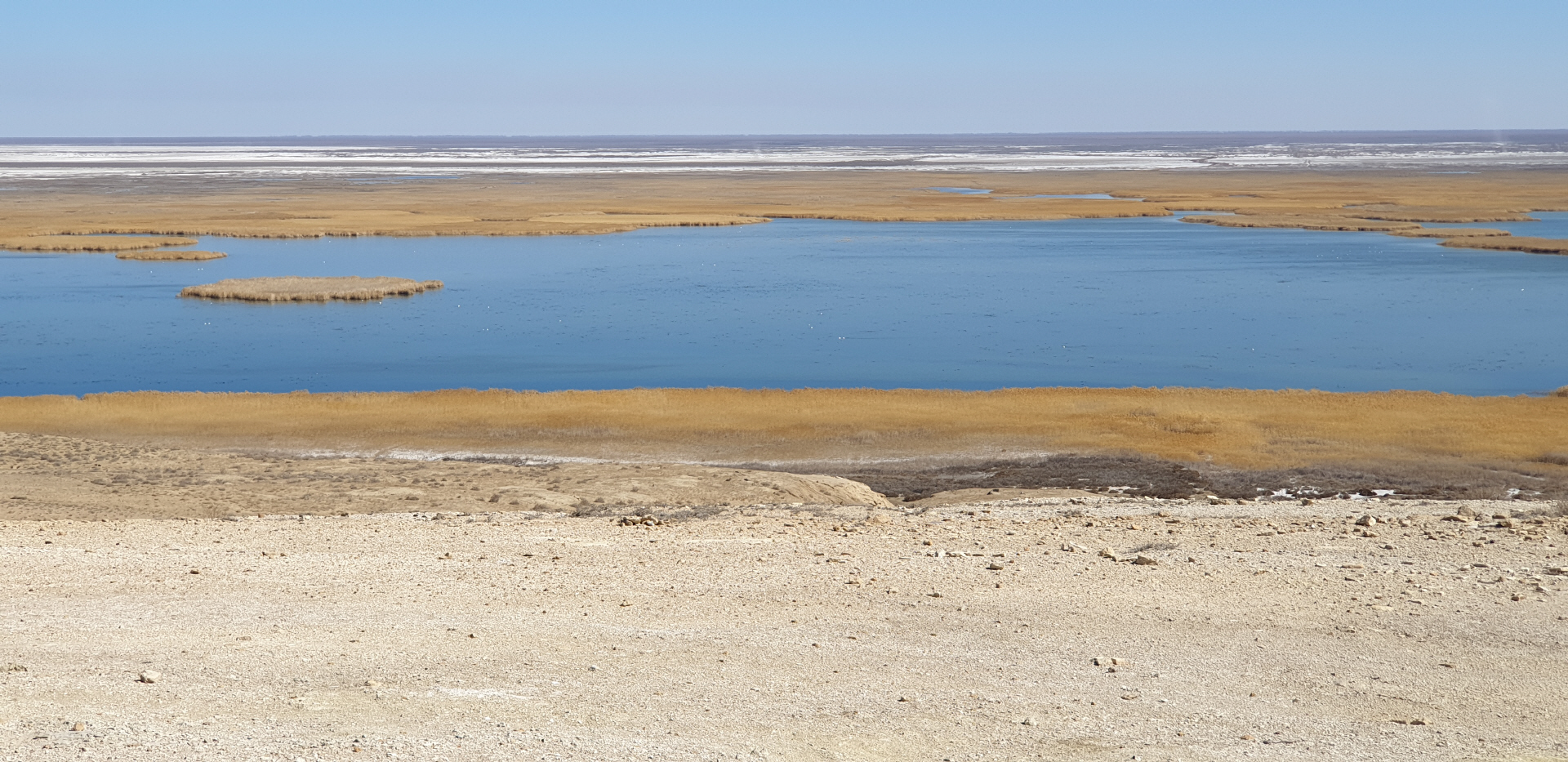
On behalf of Succow Foundation, a visitor strategy for the Sudochye Lake Ramsar Site in western Karakalpakstan/ Uzbekistan has been developed. The remote and fascinating place on the edge of the Ustyurt Plateau, which was a fishing village in the past with moorings and a sanatorium at Cape Urga, was a former bay of the Aral Sea before. The visitor concept aims at ecotourism (esp. birdwatchers) with facilities such as a small visitor center (in an old fish processing ruin), a birdwatching tower and other tourist offers such as mountainbike tracks, geological tours or stargazing. In addition to preserving existing historical ruins, three fishermen huts are planed to be rebuilt according to the historical model, which serve as accommodatin facillities for tourists or, in one case, as museum showing the life of the people in the past.
In July 2025, the concept, which was developed in close co-operation with local stakeholders, was presented and approved in Tashkent and in Nukus.
|
|
|
European Green Pioneer of Smart Tourism 2024
|
Evaluation and assessment of tourism destinations (e.g. nature tourism) with regard to aspects of sustainability / innovations in sustainable tourism (since 2023).
|
|
|
Tourism Development in Usbekistan
|
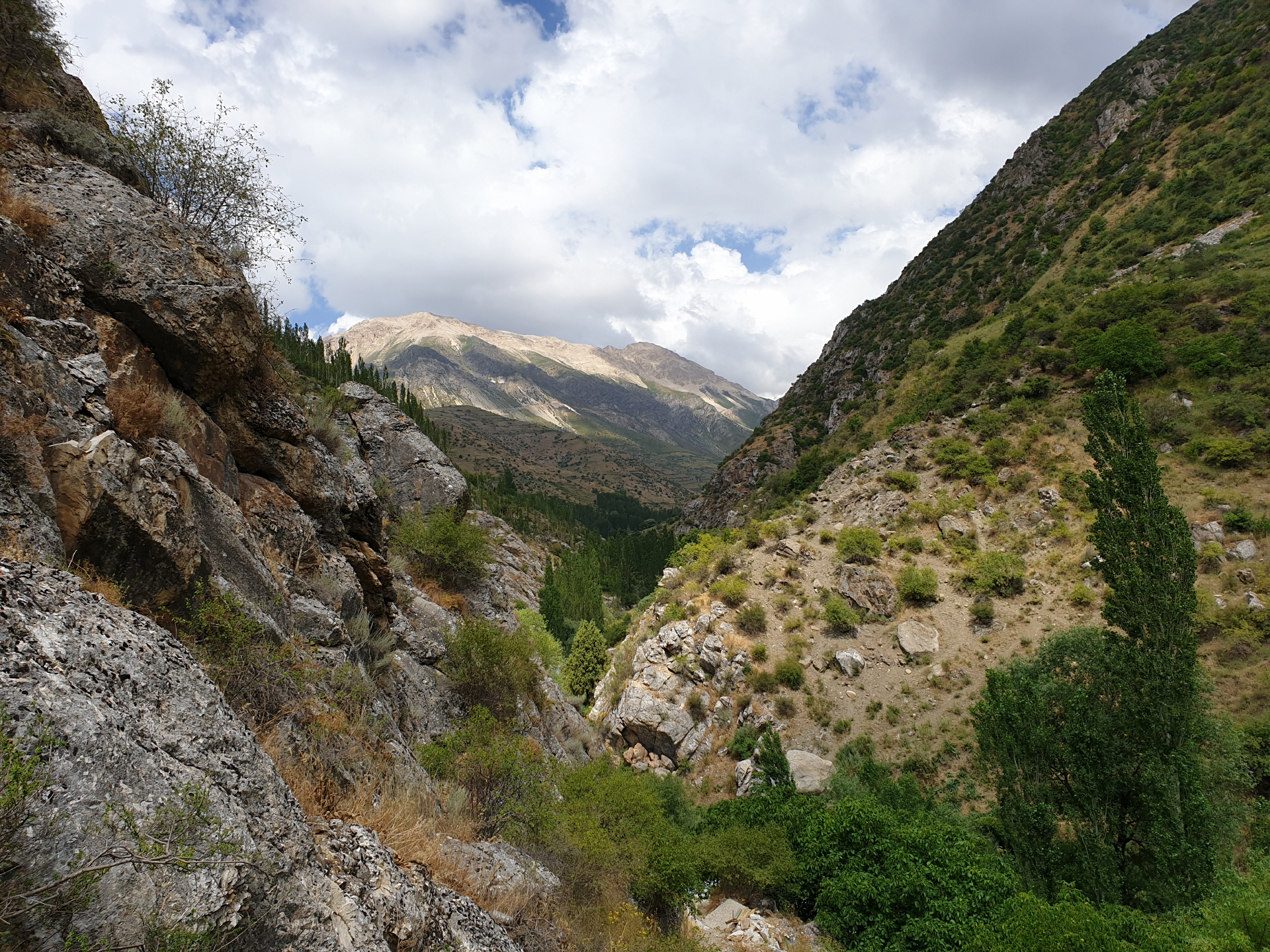
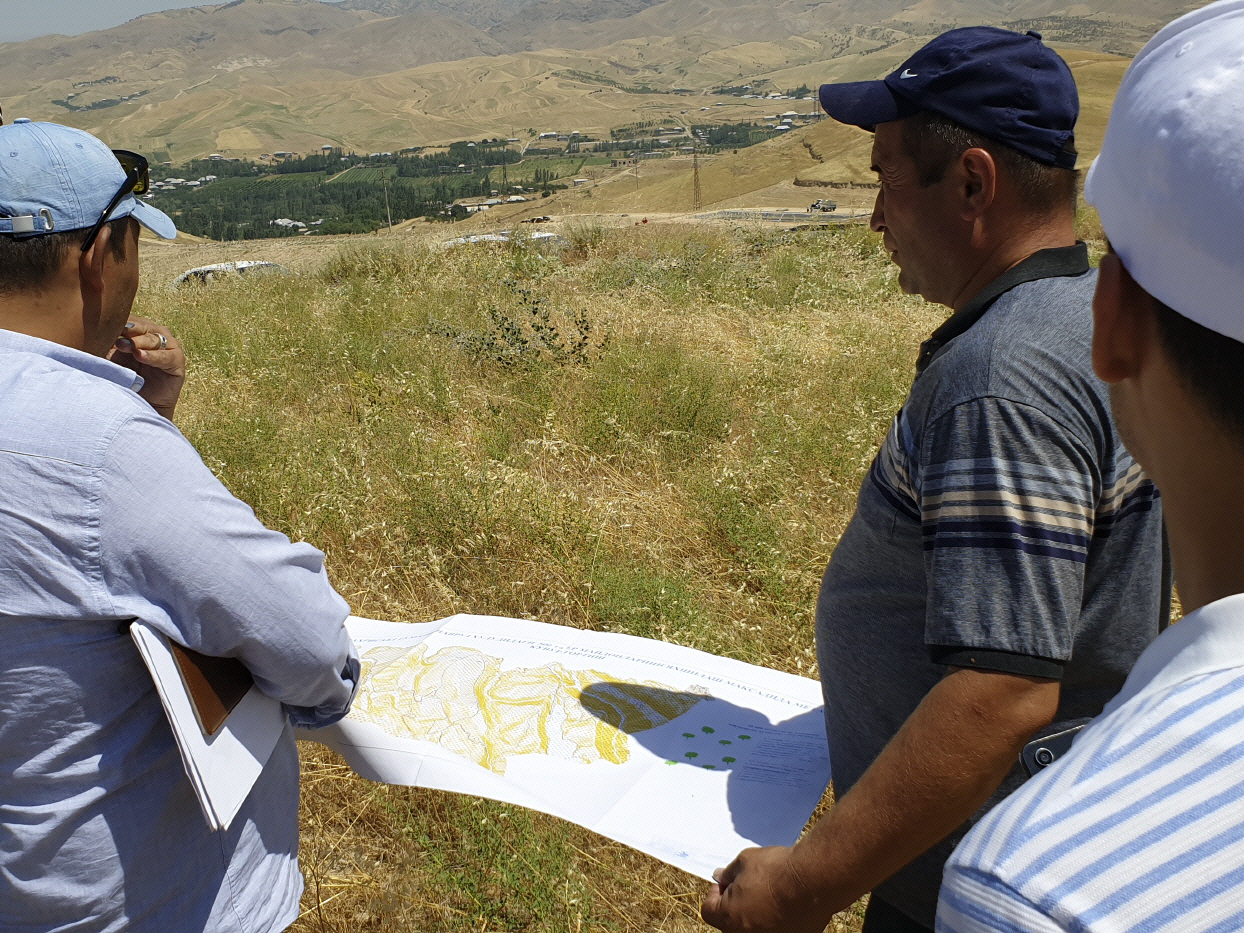
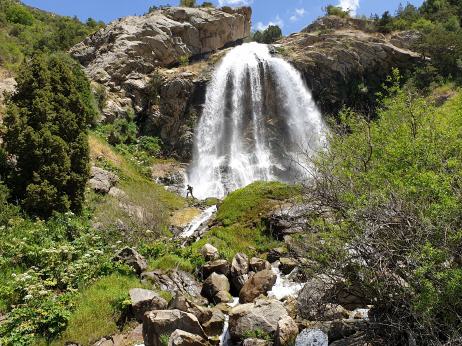
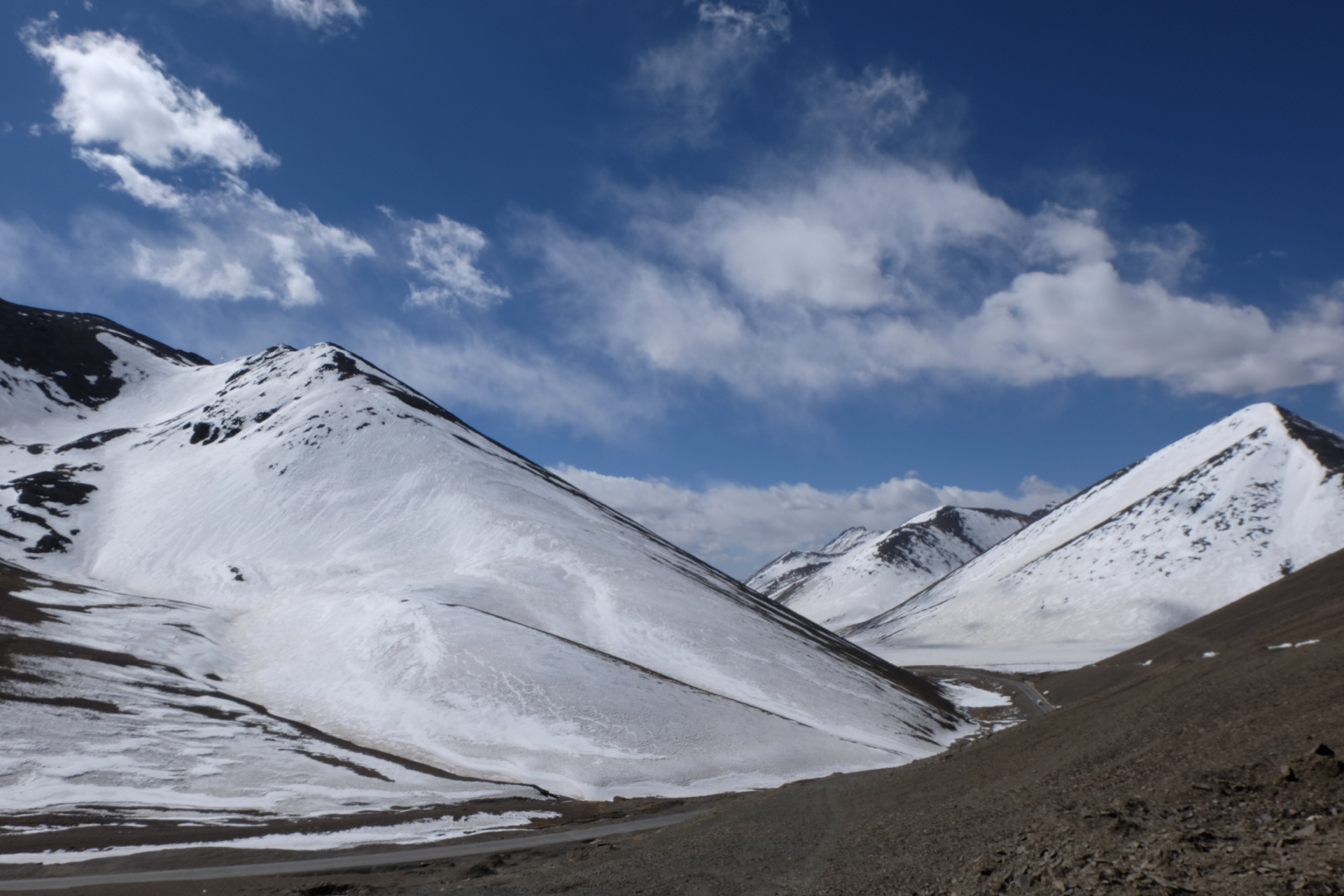
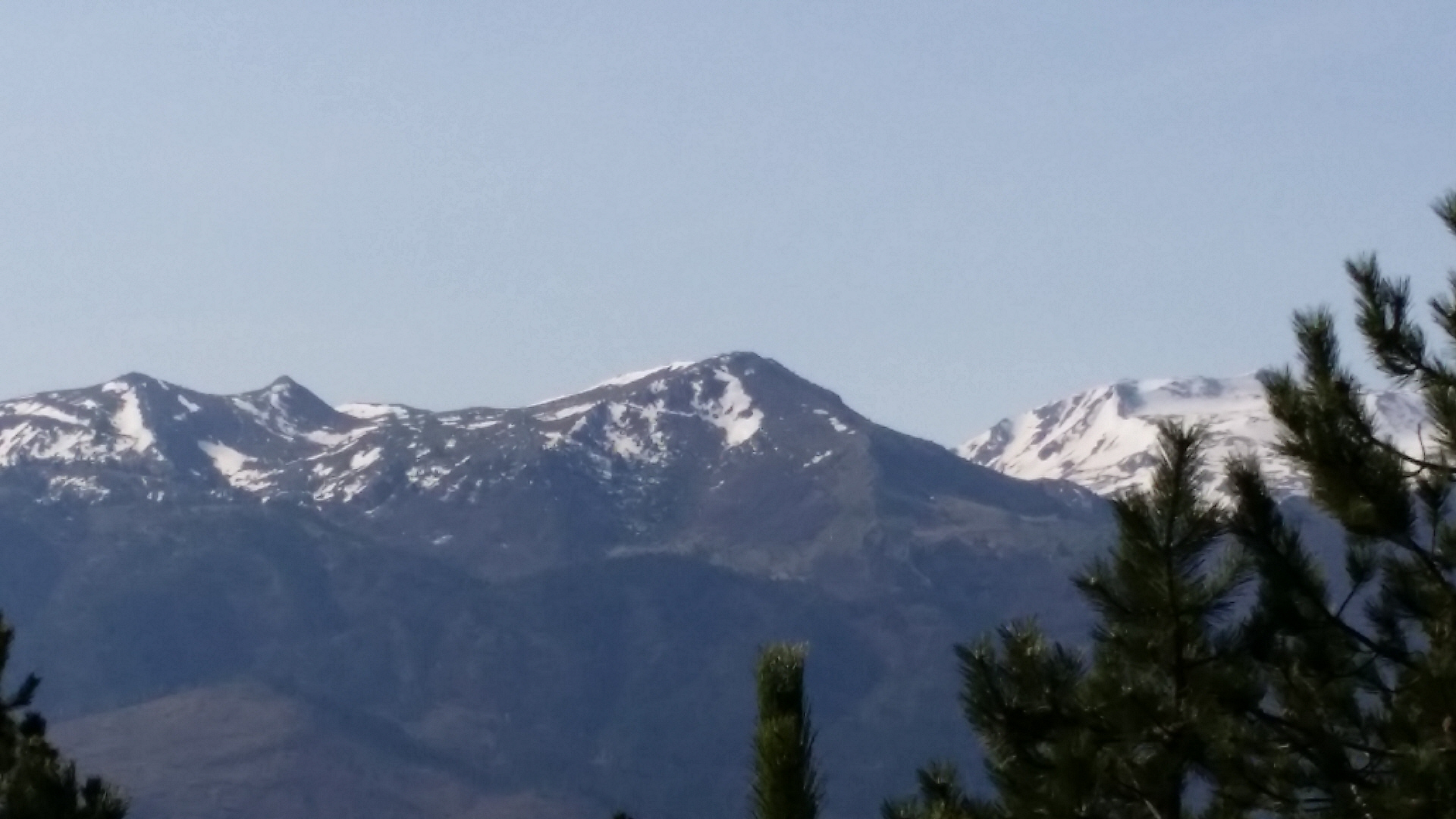
Kashkadarya is one of the regions in Usbekistan that have so far been relatively untouched by tourism. It includes arid areas, but also mountain regions with impressive landscapes, flora and fauna including rare species like Snow Leopards. The aim of the project is to develop tourism offers in a sustainable way, improve their quality and support innovative product development and marketing initiatives in selected areas. Especially local stakeholders will be supported in developing pilot measures and showcases, such as eco-accommodation facilities, visitor guiding and -interpretation or guided mountain tours (hiking, E-Mountainbiking etc.). Recently, a training with guest house owners from villages in the mountains was conducted. The training included practical sessions and a study tour to Samarkand.
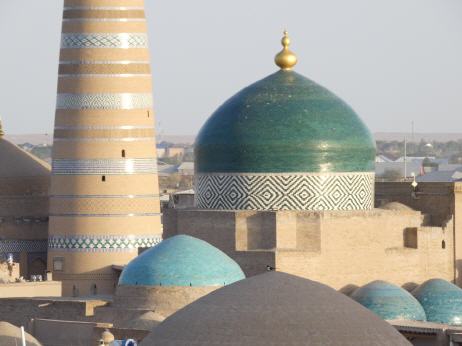
Further measures are also planned in other regions. In particular, tourism components are to be incorporated and implemented in nationwide master plans. Recent missions where conducted in the ancient city ov Khiva, in Amudarya district and in Karakalpakstan.
|
|
|
|
|
|
|
|
|
IKI Small Grants
|
Evaluation of 130 project applications in the fields of biodiversity, adaptation and forest (carbon sinks) from Africa, Central Asia, South East Asia, Pacific, Middle- and South America.
|
European Capital of Smart Tourism 2024
|
Evaluation and assessment of applications of urban tourism destinations (European capitals) with regard to aspects of sustainability / innovations in sustainable tourism (2023 and 2024).
|
|
|
|
|
|
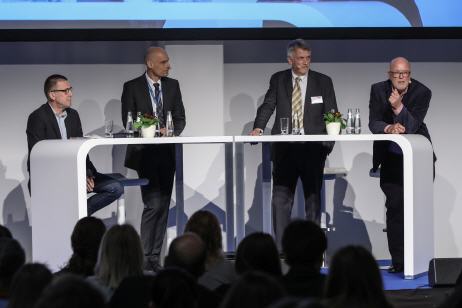
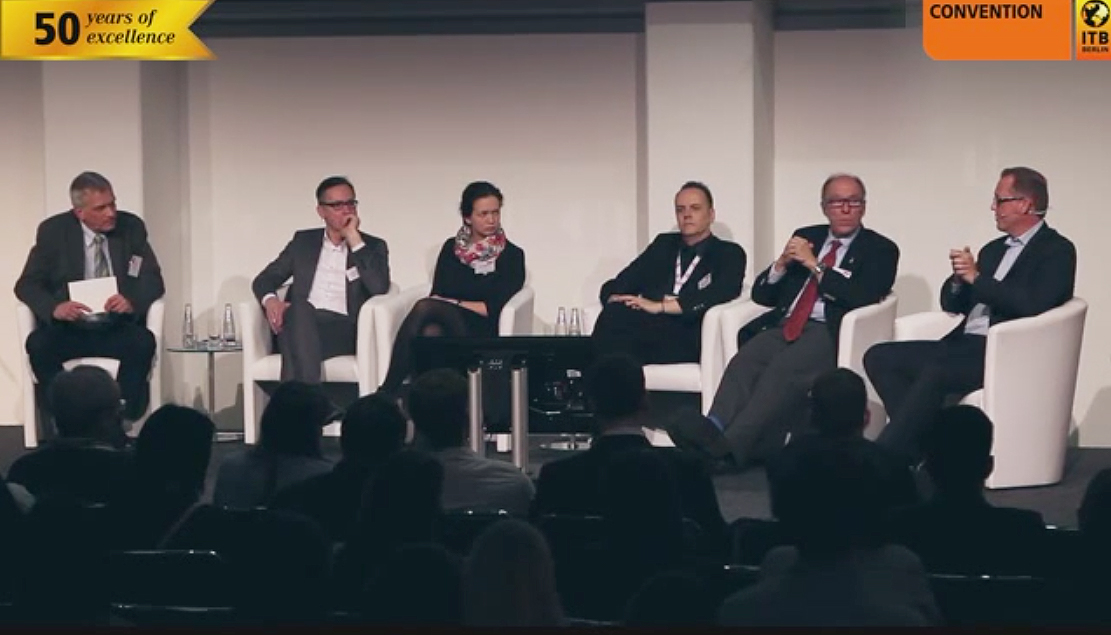
ITB 2020 - The Hot Seat
|
Tourism between Fridays for Future and Flight Shame
Facilitation and Concept:
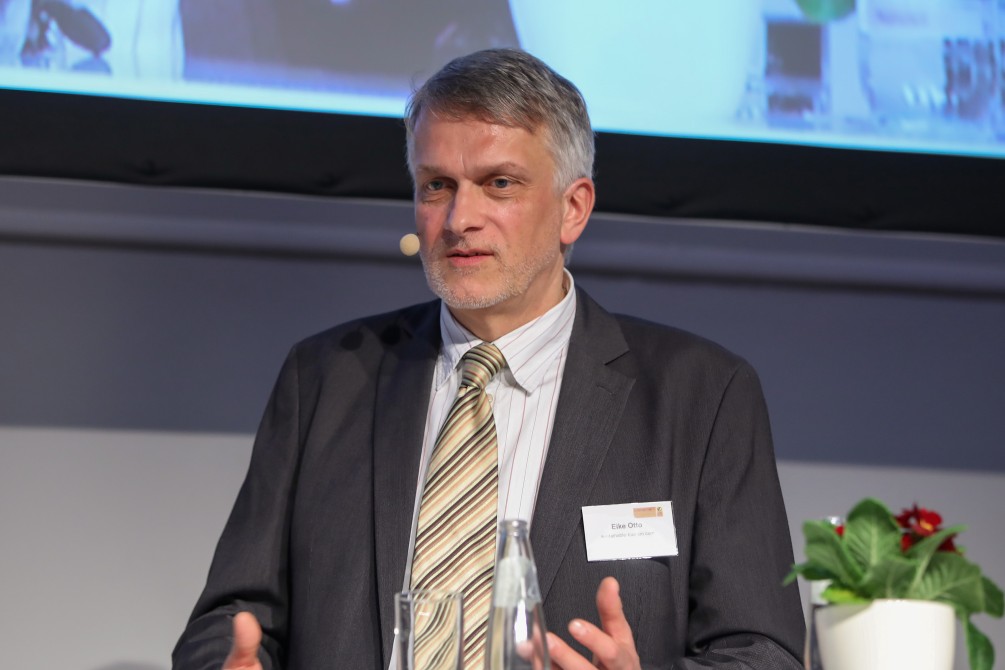
Eike Otto, Consultant for Tourism and Regional Development
With following guests:
Hermann-Josef Tenhagen, Chefredakteur, Finanztip
Clara Mayer, Fridays for Future
Lucienne Damm, Senior Environmental Manager TUI Cruises
Julia Massey, Vice President Global Sustainability, Kempinski
|
|
|
Ecotourism in the Jabal Akdhar Mountains in Oman
|
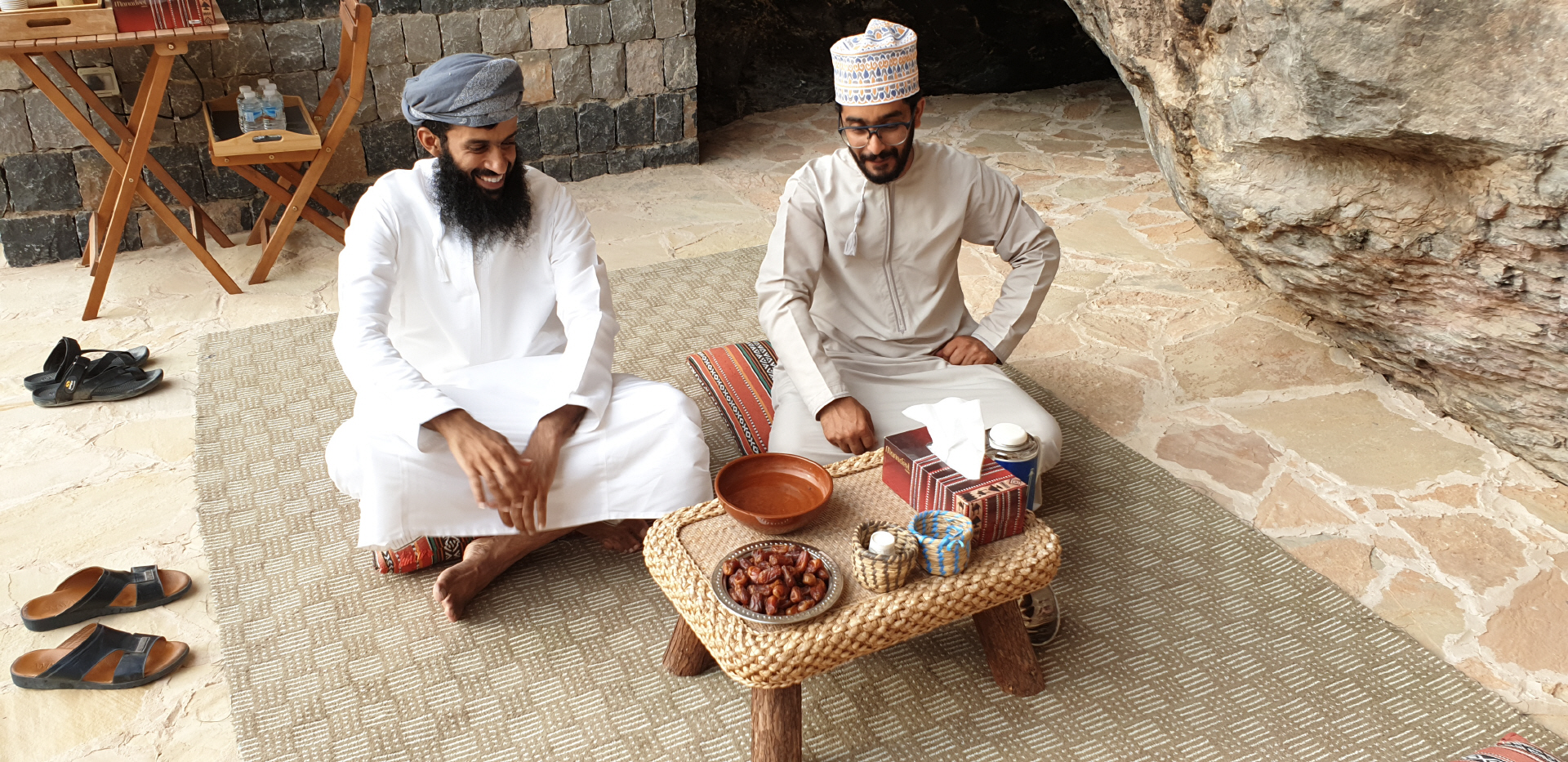
Supporting the Environment Autority of Oman in establishing the first UNESCO Biosphere Reserve in the Sultanate of Oman, ecotourism development as income source for local communities.
|
|
|
Ecotourism in Protected Areas in Myanmar
|
The Small Grants Program of the Kreditanstalt für Wiederaufbau (KfW) and the Asean Centre for Biodiversity (ACB) aims to contribute to the protection of biodiversity in and around the Asean Heritage Parks in accordance with the interests of the local population. The project covers the Indawgyi Lake protected Area in Myanmar, which is part of the Asean Heritage Parks and has also been listed by UNESCO as a Biosphere Reserve.
The main objectives are to improve biodiversity conservation and the livelihoods of local communities around the protected area, and to improve capacity and coordination of the system of protected areas in Myanmar for biodiversity conservation, including the monitoring and evaluation system.
Ecotourism in particular can contribute significantly to the livelihood of local people as well as for the sustainable development of the four protected areas. However, serious damage due to tourism and uncontrolled development can already be observed. Therefore, concrete measures and projects need to be initiated and adapted to the respective local conditions. Above all, the involvement of local stakeholders is of crucial importance.
|
|
|
Ecotourism in National Parks in Vietnam
|
The Small Grants Program of the Kreditanstalt für Wiederaufbau (KfW) and the Asean Centre for Biodiversity (ACB) aims to contribute to the protection of biodiversity in and around the Asean Heritage Parks in accordance with the interests of the local population. The project covers the selected national parks of Ba Be National Park, Kon Ka Kinh National Park, Hoang Lien National Park and Chu Mom Ray National Park. The main objectives here are to improve biodiversity conservation and the living conditions of local communities in and around the national parks and capacity development as well as the coordination of the system of national parks in Vietnam for biodiversity conservation, including the monitoring and evaluation system.
Ecotourism in particular can contribute significantly to the livelihood of local people as well as for the sustainable development of the four protected areas. However, serious damage from tourism and uncontrolled development can already be observed in some parks. In particular, the understanding of ecotourism and its potential is often still weak in Vietnam. Appropriate legal frameworks are missing and need to be adapted and specified. Therefore, concrete measures and projects need to be initiated and adapted to the respective local conditions. Above all, the involvement of local stakeholders is of crucial importance.
|
|
|
Ecotourism in Indonesian National Parks
|
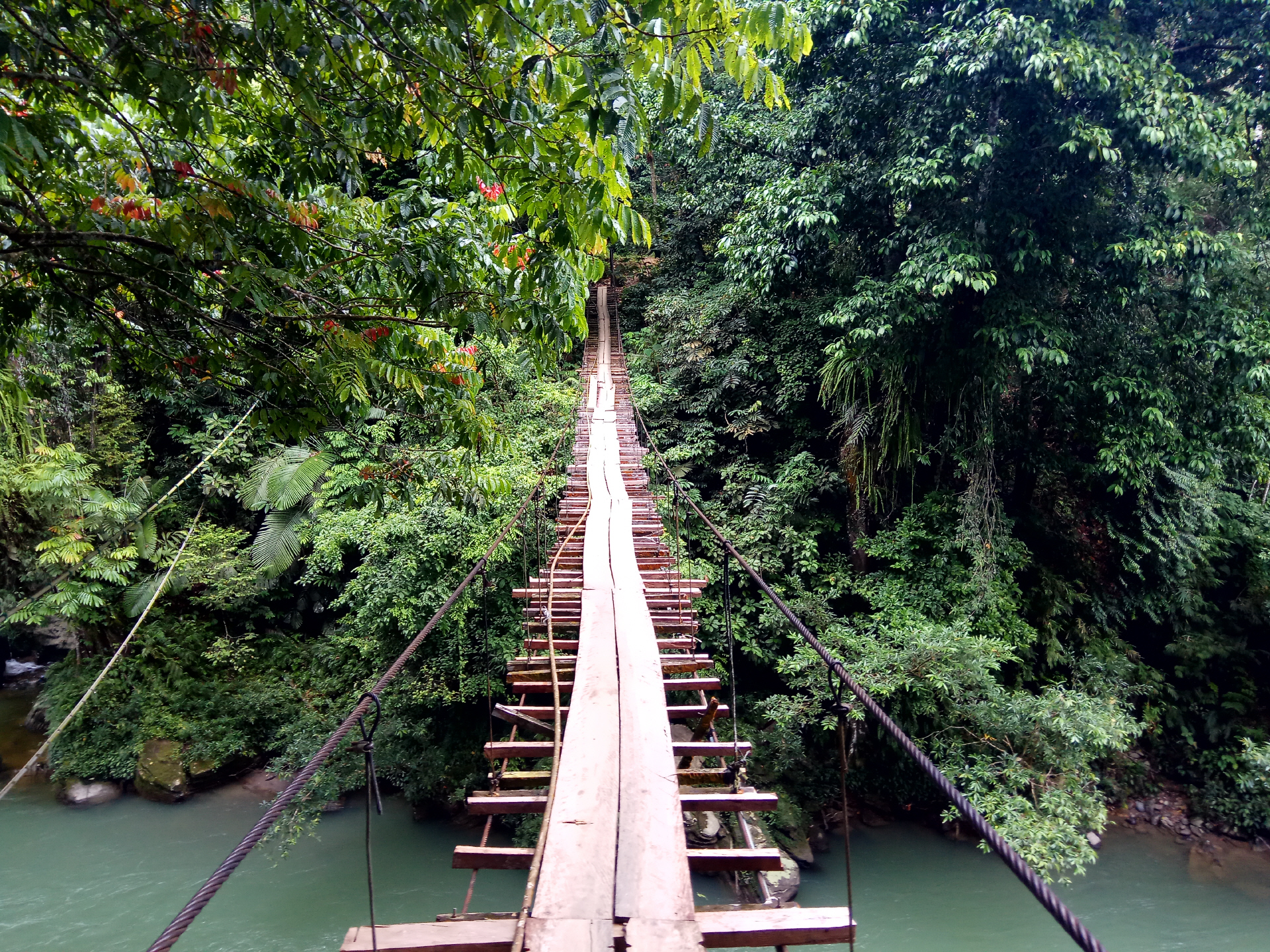
The German KfW supports villages in the vicinity of the national parks Gunung Leuser and Way Kambas with small grants. For this purpose, project proposals for the promotion of sustainable ecotourism were developed together with the administration of the Asian Heritage Park Organization in Manila, Philippines, and organizations in Indonesia. The goal is to offer the residents in the surrounding villages of the parks income opportunities in ecotourism and at the same time contribute to the protection of the unique natural landscapes and biodiversity in both areas.
|
|
|
Tourism development in Madagascar
|
Opportunities for sustainable tourism development in Madagascar, presentation and discussion in a webinar with 70 participants from different countries, on behalf of the AHK (German Chamber of Foreign Trade) Cape Town, South Africa
|
|
|
Digitalization of Tourism in Bosnia-Herzegowina
|
To be successful in local, regional and international markets, SMEs increasingly need to introduce innovations and digital solutions. The aim of the project is therefore to improve the conditions for innovation and digitization in SMEs. The potential in Bosnia and Herzegovina lies in particular in cultural tourism offerings as well as ecotourism and active and sports tourism.
|
Project Proposal Covid19 Response
|
The German Federal Ministry for Economic Cooperation and Development (BMZ) supports initiatives by privately owned companies that mitigate the economic as well as the health-related impact of the corona pandemic in developing or emerging countries within the developpp program.
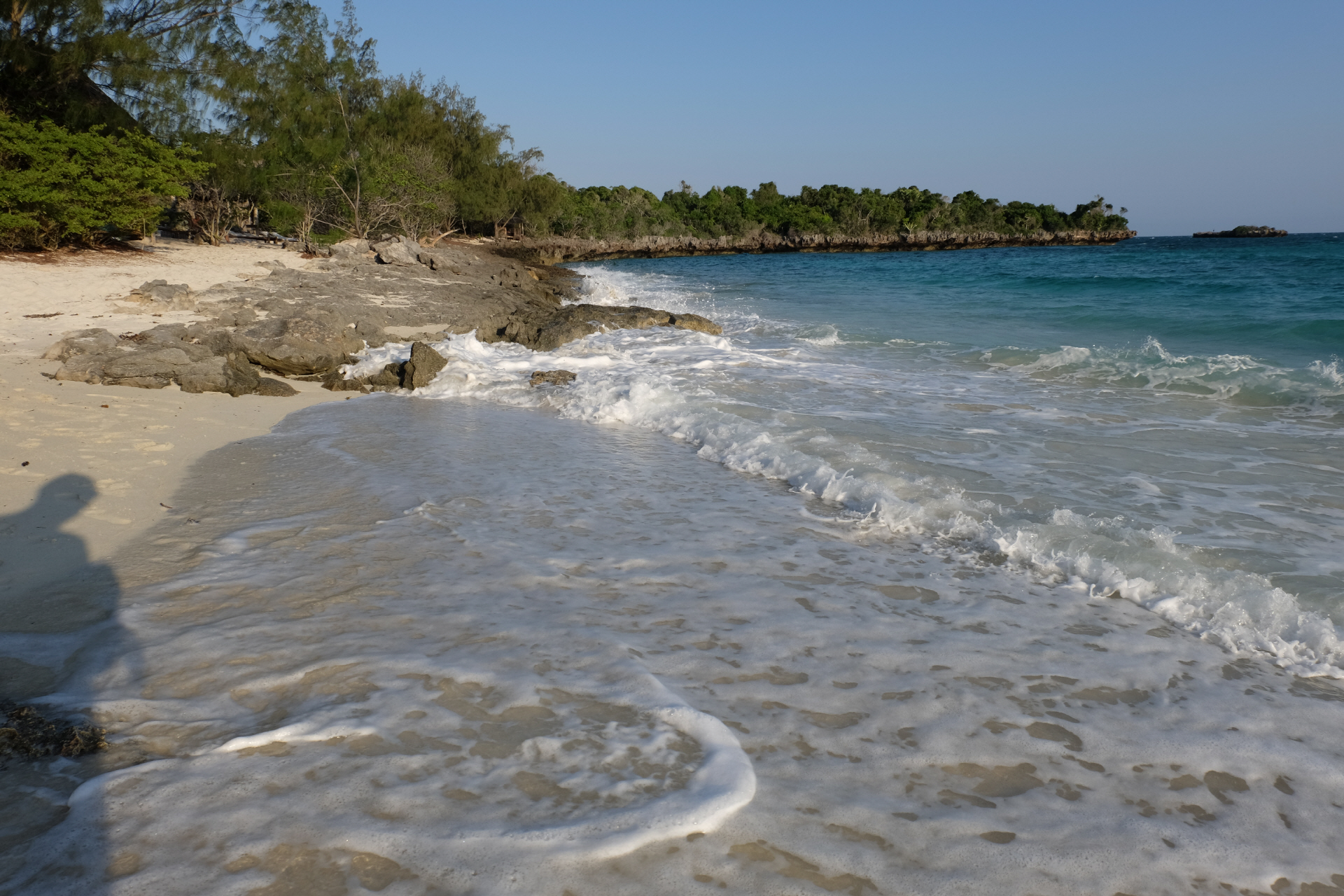
Chumbe Island in Tanzania is an internationally recognized ecotourism project whose existence is threatened by the loss of tourism as its main source of financing. In order to continue the successful nature conservation work, a project application was developed. The aim of this application is to maintain the essential nature conservation activities with the qualified personnel on the island and at the same time to spread the knowledge and experience in the tourism sector in Zanzibar.
The project proposal was able to prevail among a multitude of other applications and was approved by the BMZ.
|
|
|
|
|
|
|
|
|
Tourism Development in Cambodia
|
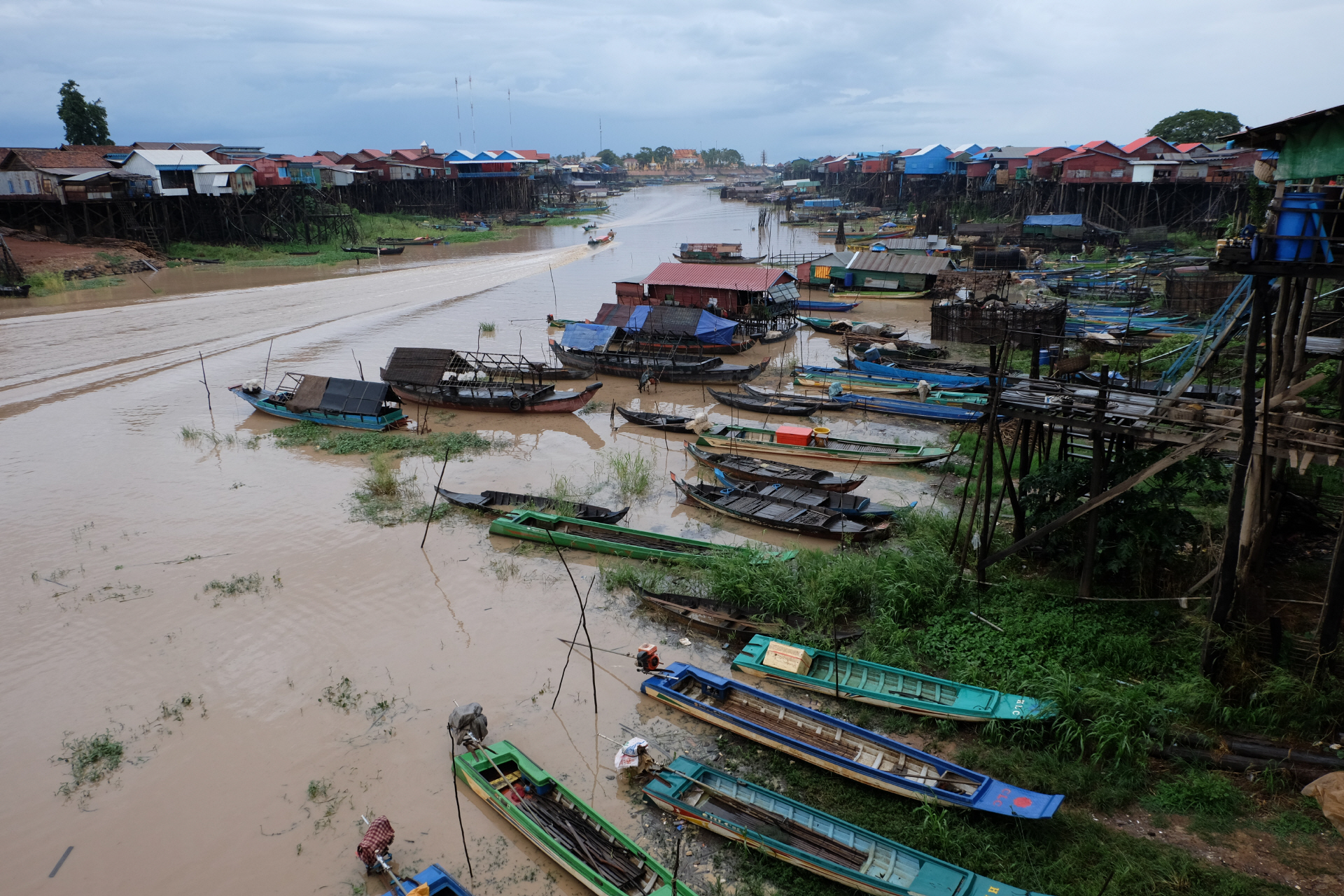
Sustainable tourism development in Siem Reap (incl. Angkor temples) und Preah Vihear provinces. Historic temple areas and nature based tourism with focus on visitor guiding and -interpretation, product development, storytelling, quality and IT in tourism.
|
|
|
Madagascar
|
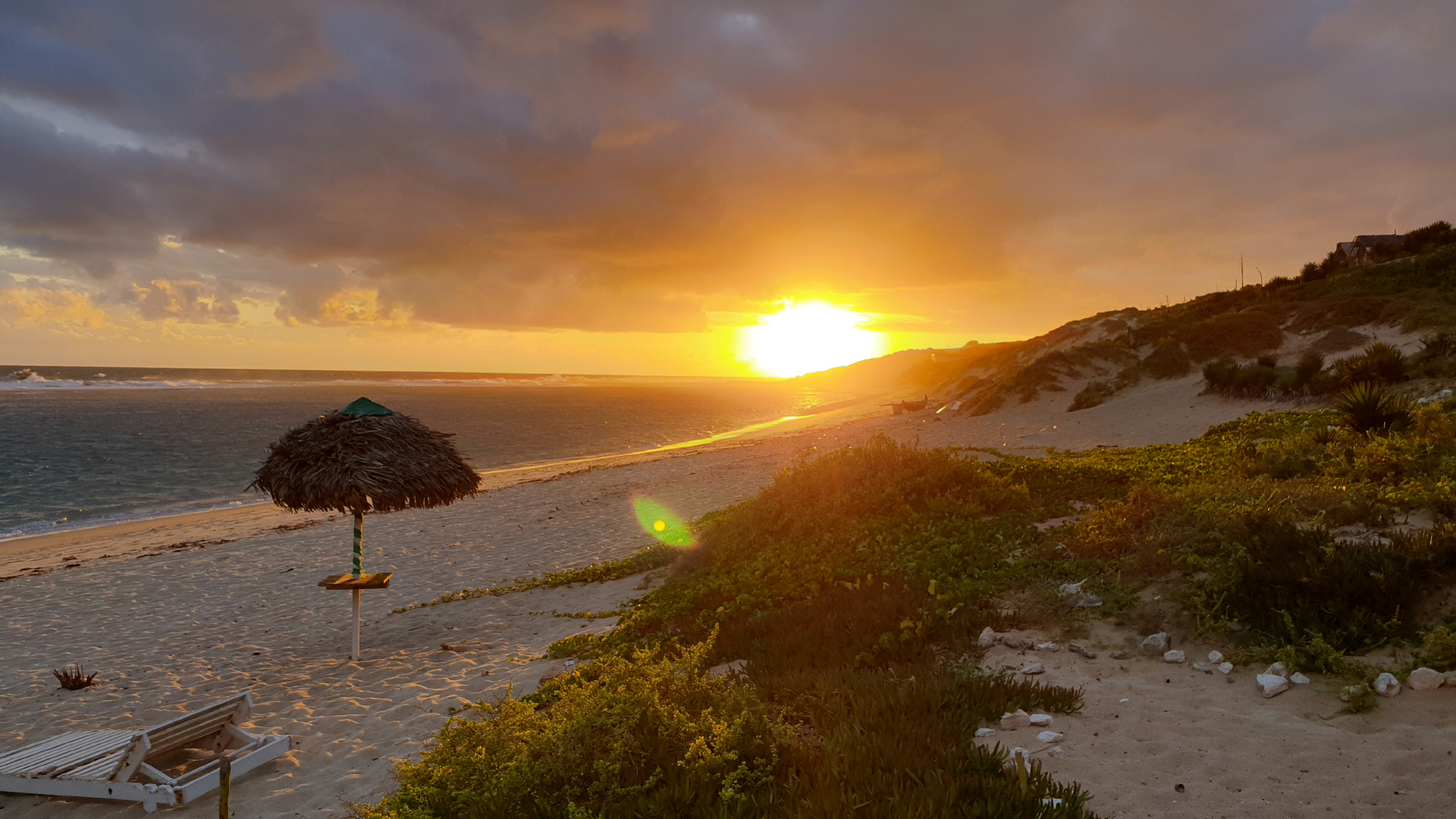
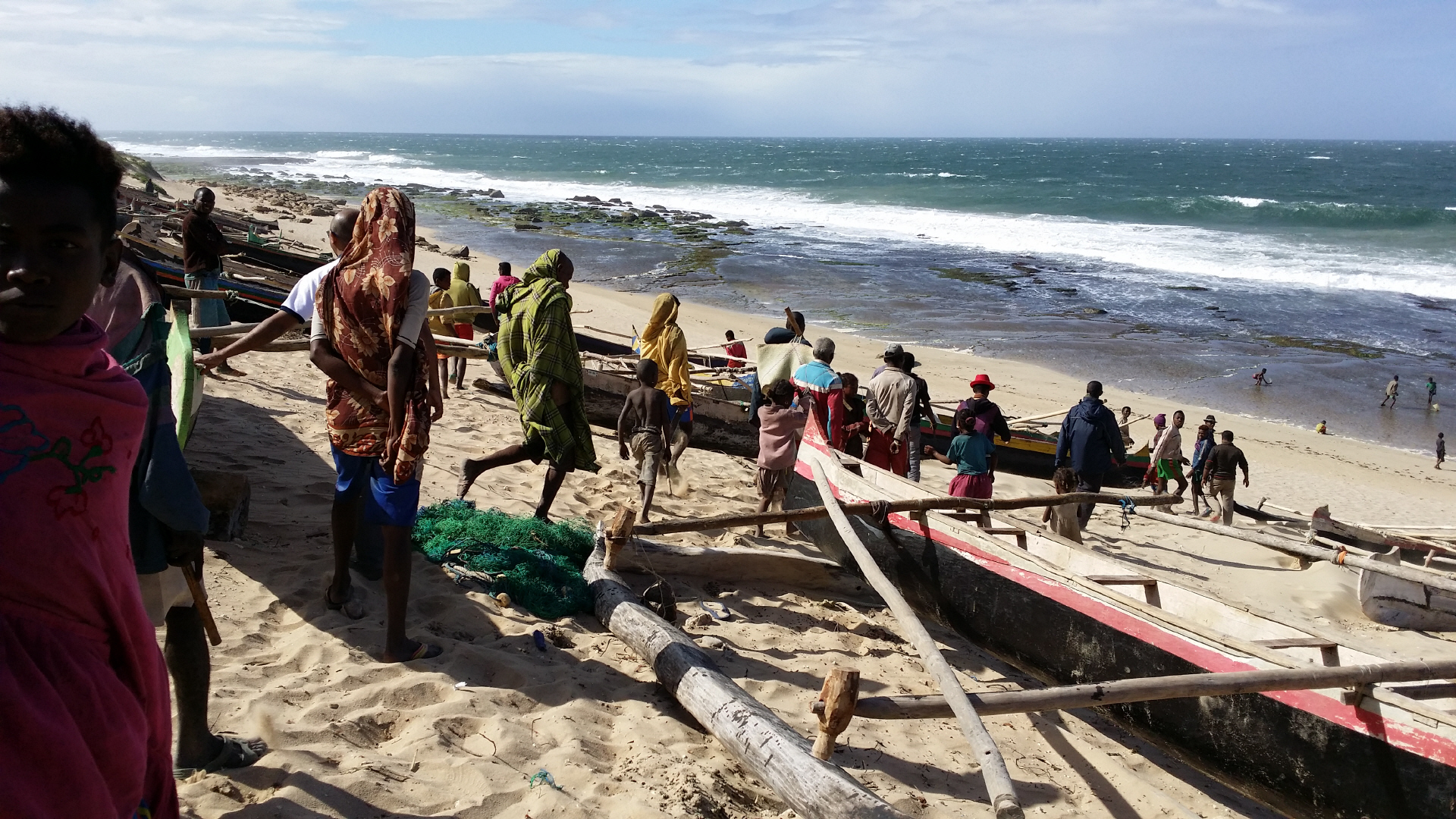
Fisheries value chains and impacts of climate change in southern Madagascar
In a new regional development project currently developing proposals for food security and income generation for the local rural coastal population in southern Madagascar are carried out. In addition, constructional/ infrastructural measures, the fishing equipment, various types of traditional fishing boats, preservation and processing of fish and training of fishermen are also evaluated. Other activity areas include environmental and nature conservation, climate risk insurances and international cooperation with scientific institutions in the field of marine research.
|
|
|
ITB Congress 2018
|
The Hot Seat - Can Tourism Be Sustainable?
A new format at ITB Berlin, where topics are discussed controversially. On the occasion of the opening of the ITB-CSR Day, this time it was about the question whether tourism can be sustainable at all. Prof. Niko Paech, economist and Michael Lutzeyer, owner of the Grootbos Lodge in South Africa and founder of the Grootbos Foundation, were invited to exchange their controversial opinions.
The panel discussion is available as video under the following link:
https://www.youtube.com/watch?v=YLw-UaV_0Vk
Services: Content preparation, identification of suitable candidates as well as moderation of the panel discussion.
|
|
|
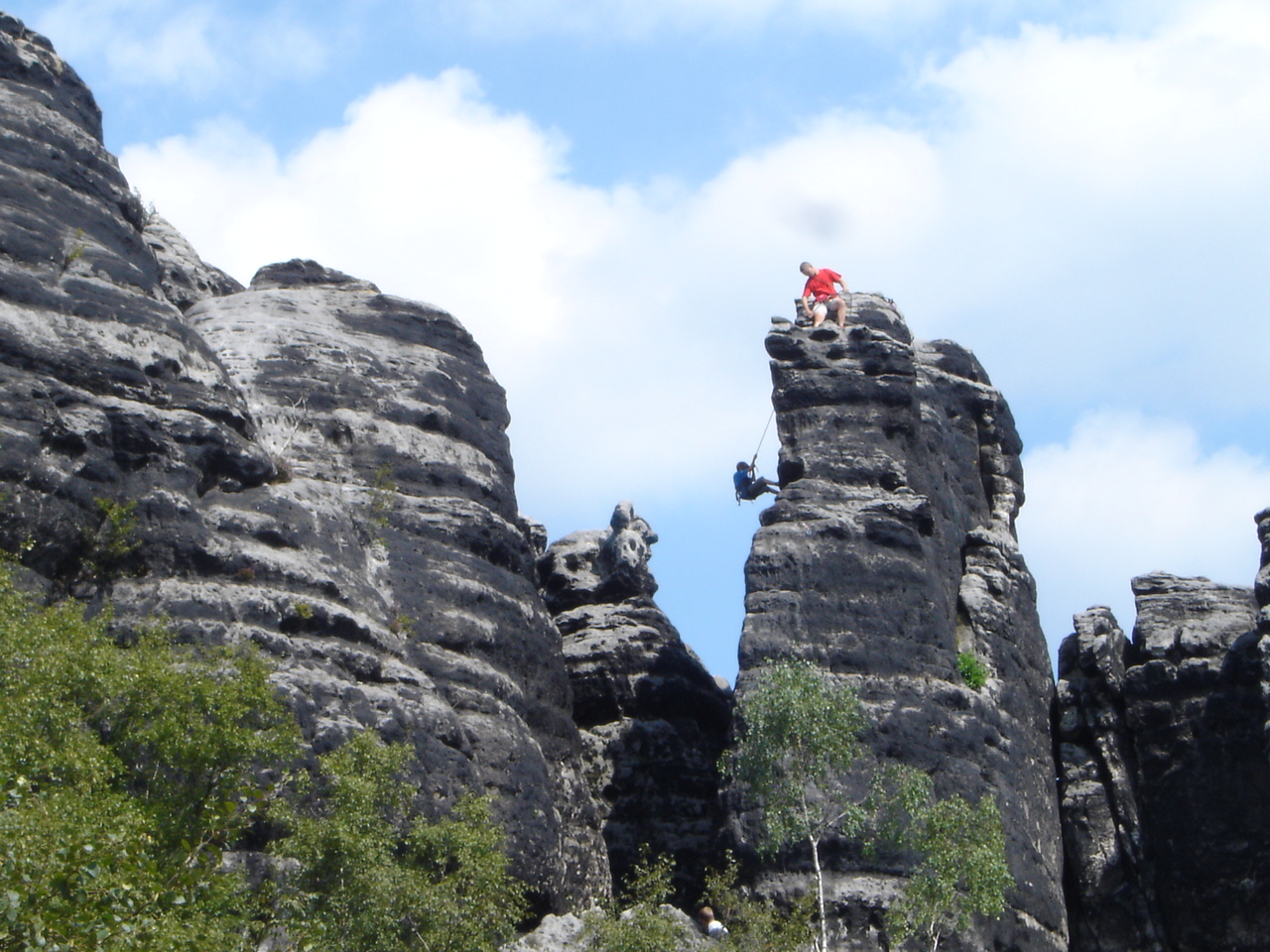
Overtourism in National Parks
|
International Conference in the National Park Center Bad Schandau
The subject Overtourism increasingly affects national parks. While biodiversity in the vicinity of the protected areas is steadily declining due to agriculture and impacts of the climate change, in parallel visitor pressure is rapidly increasing. On this occasion, the Foundation for Nature and the Environment of the Federal State of Saxony has organized a workshop with international participants such as representatives of national parks.
Services: Survey and preliminary research, moderation of the workshop
|
|
|
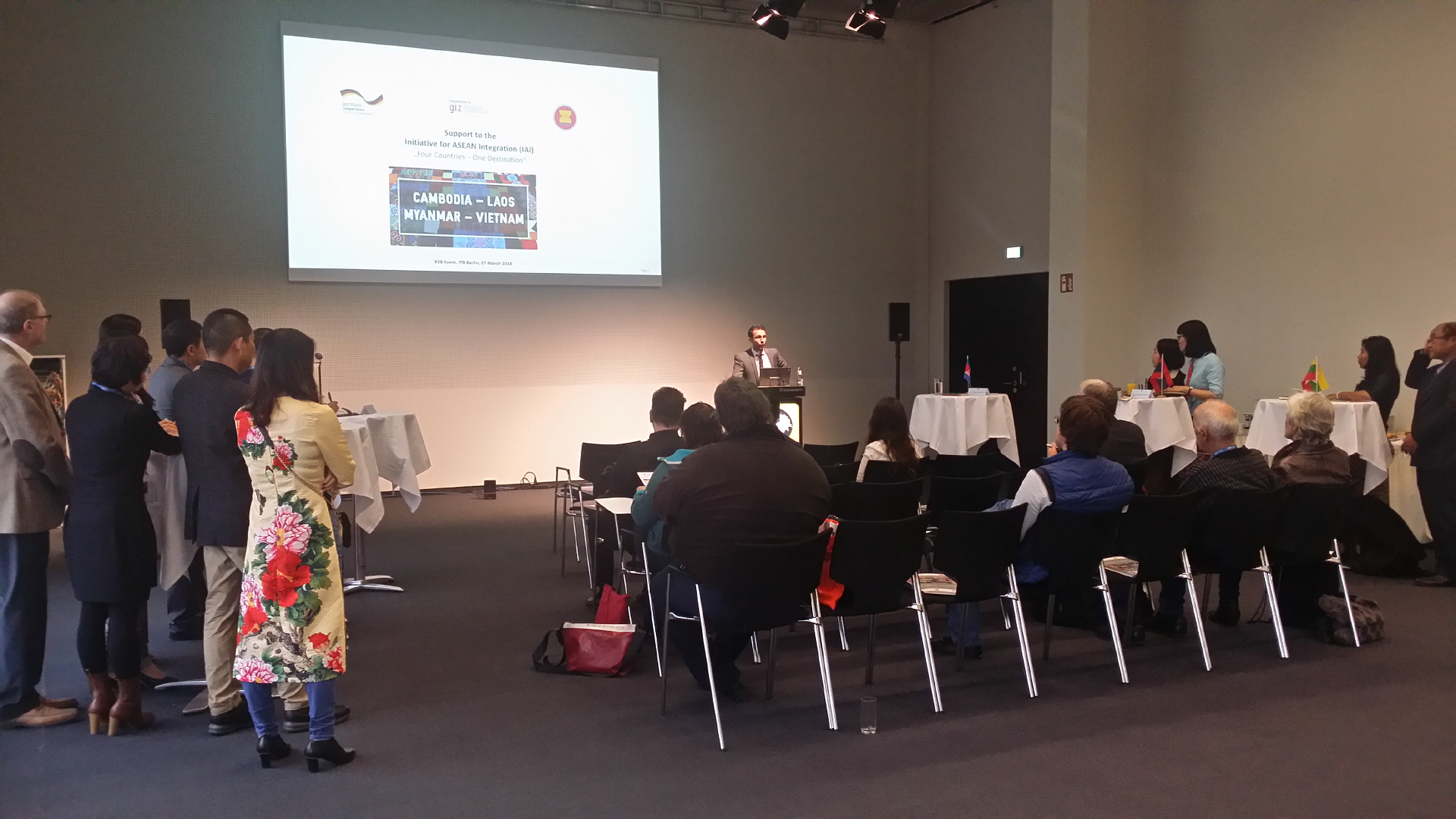
B2B Meeting Myanmar, Laos, Cambodia, Vietnam
|
Travel companies from Myanmar, Laos, Cambodia and Vietnam are co-marketing at ITB 2018
During the trade visitor days at the ITB 2018, local companies fro9m ASEAN countries presented their latest products to tour operators from the European source markets. Services: Content preparation, coordination and invitation of tour operators.
Client: GIZ
|
|
|
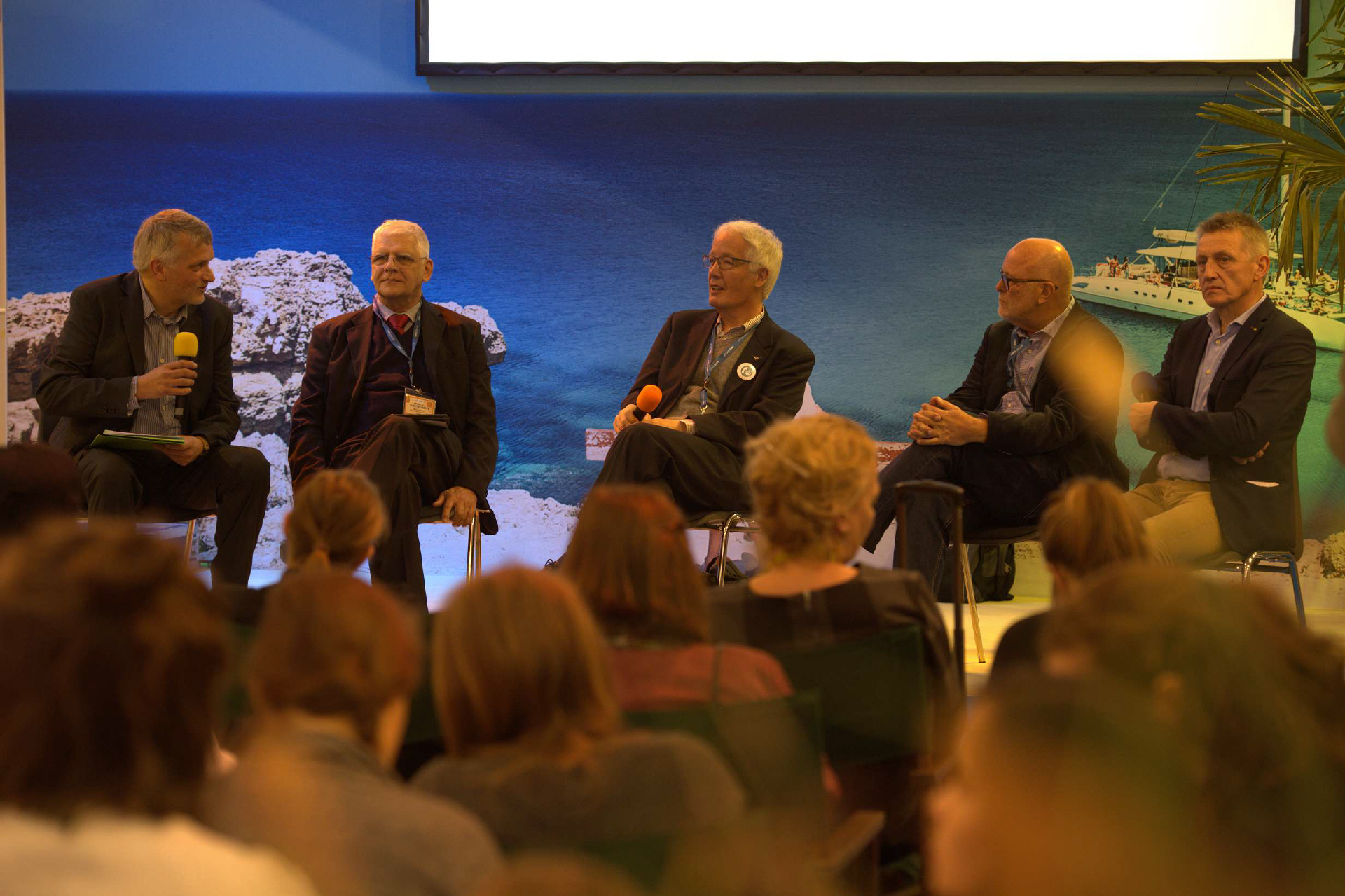
ITB 2018 Pow Wow for Tourism Professionals
|
Talk 'Overtourism and National Parks'
National parks depend on tourism revenues. While some well-known areas suffer from too many tourists and environmental damages, other areas urgently need more tourists to generate revenue locally. Where are the problems? Which solutions are available? And do revenues from tourism really return to national parks?
These and other questions were discussed by experts and national park representatives from Germany, Norway and Africa at a well attended event at the ITB 2018 in Berlin.
Services: Content preparation, identification of suitable candidates and moderation of the panel discussion.
|
|
|
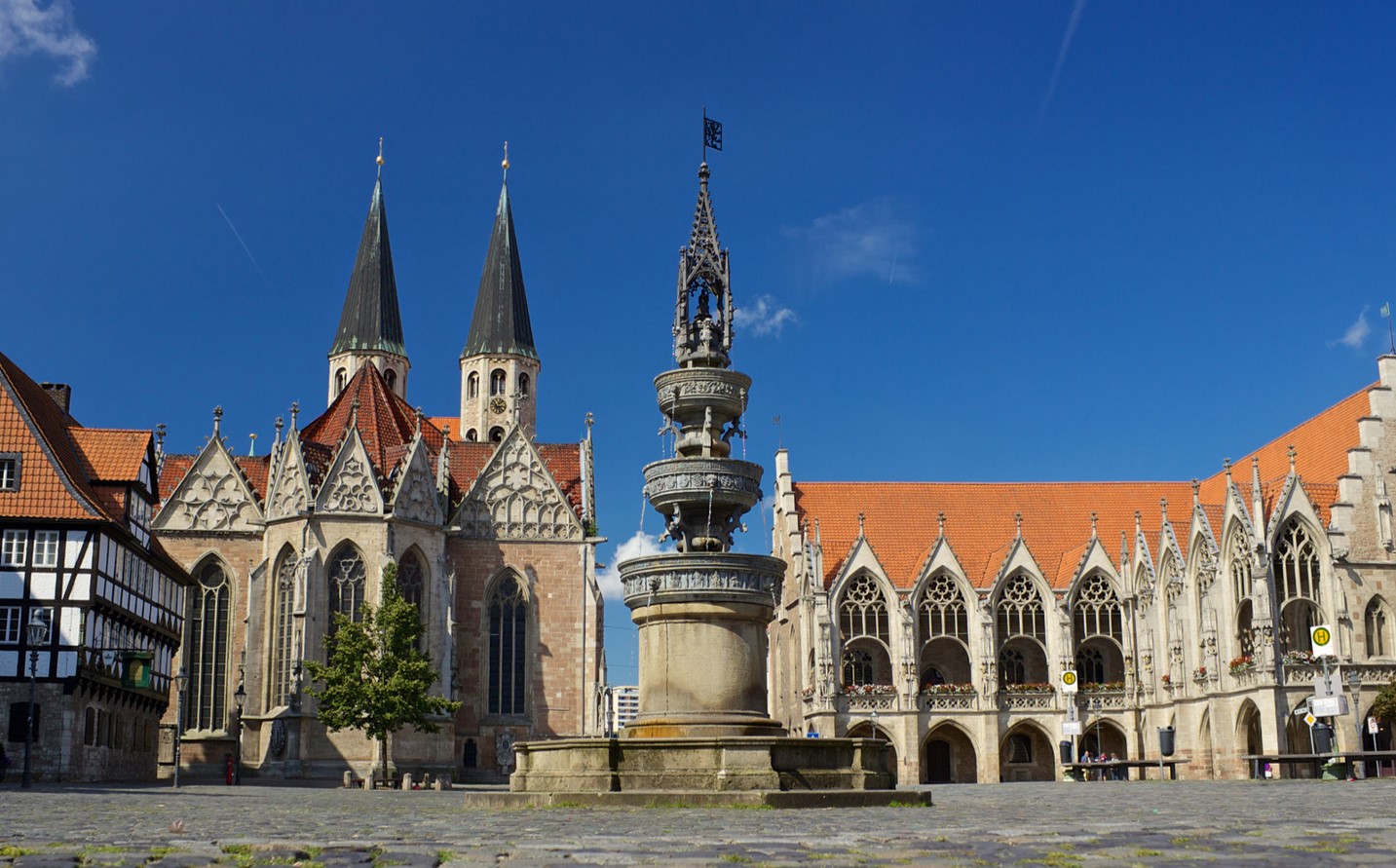
Tourism Development Strategy City of Braunschweig
|
Strategic positioning and profiling in close cooperation with local and regional stakeholders
Development of a tourism development strategy for the city of Braunschweig together with local stakeholders on behalf and in close cooperation with the Berlin based tourism consulting company tourismus planB.
|
|
|
Tourism Labour Market in the EU and in Turkey
|
How does the sharing and collaborative economy influence the tourism labour market?
Turkish decision makers in the tourism segment discussed impacts on the tourism labour market both in the EU and in Turkey on the basis of a power point presentation which was presented during an international Skype conference.
Donor: EU, Client: GFA Group
|
Feasibility Study Camper Tourism
|
On behalf of the Berlin-based consulting company TourismusplanB, a feasibility study for a new camper parking space in Sondershausen/ Thuringia was elaborated. Particular attention was paid to a natural design of the site with leisure and environmental education facilities, but also economic aspects for the municipality and local businesses (incl. recommendations for tourism product development and marketing).
|
Tourism Development Blidinje Nature Park in Bosnia
|
Value chains in sustainable tourism
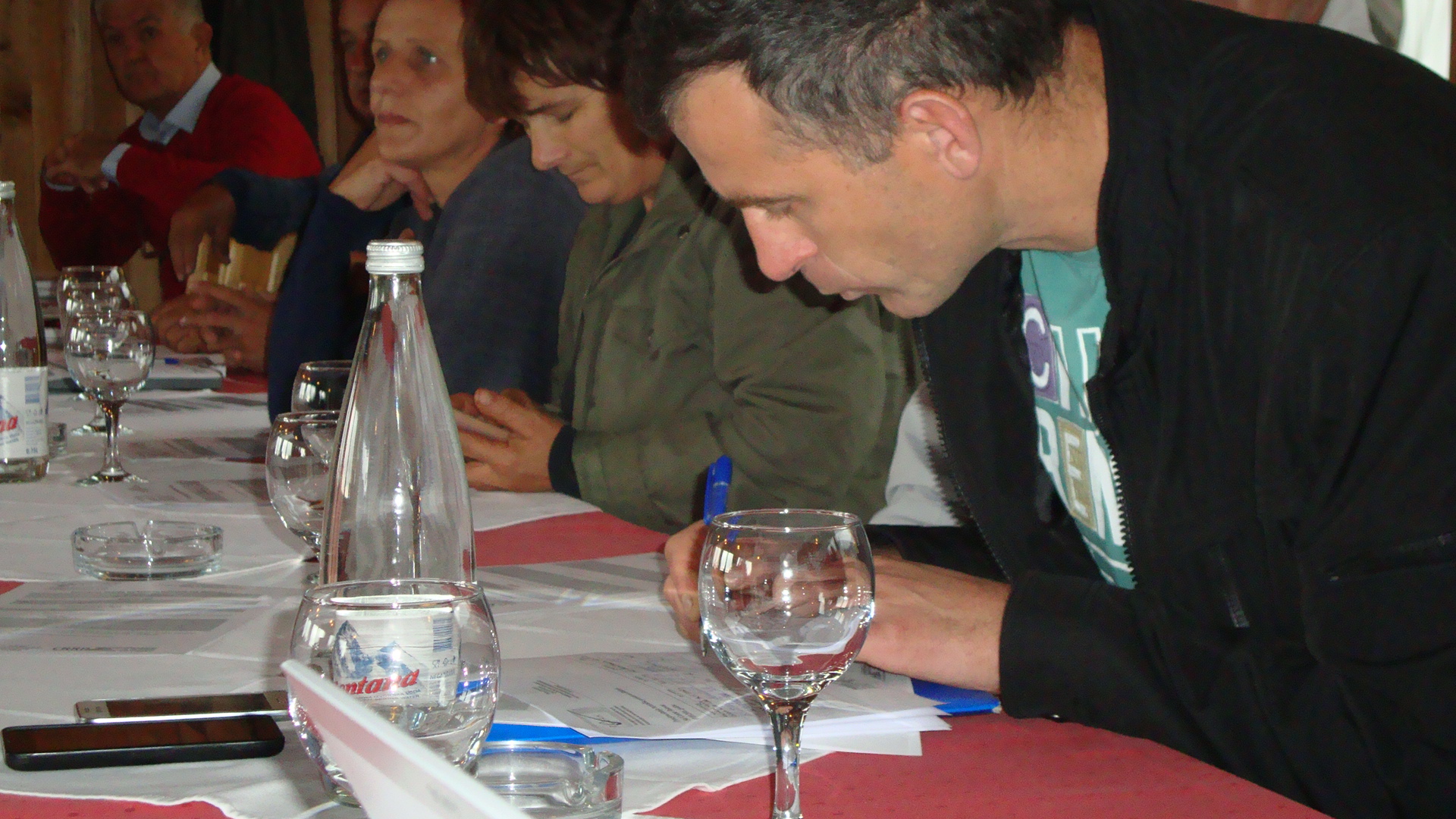
Advising tourism companies on product development, promotion, quality criteria, regional marketing and distribution, development of a destination management agency in Blidinje Nature Park. For this purpose, a visitor survey was carried out, furthermore value chain forums with local tourism companies have been performed. Further measures include the development of an interactive website for hiking tourism, a leaflet and the organization of environmental events with local communities in the nature park area. At the end of 2017, a study tour for local tourism experts from Blidinje to Germany was conducted.
Currently, various guidelines are being developed together with local stakeholders, measures have been implemented in the field of waste prevention. For example, a waterproof waste bag for hikers was recently developed and designed (Blidinje Waste Bag) and presented at a press conference in Sarajevo. An info leaflet with an overview map of the nature park area will be completed soon. Furthermore, a 'Product Basket' with regional products and an umbrella brand for the nature park, which includes these local quality products, was developed in cooperation with local stakeholders.
Client: GIZ / EU-ProLocal
|
|
|
|
|
|
|
|
|
Study Trip from Bosnia Herzegowina to Germany
|
A Win-Win case: cooperation between nature protected areas and tourism businesses
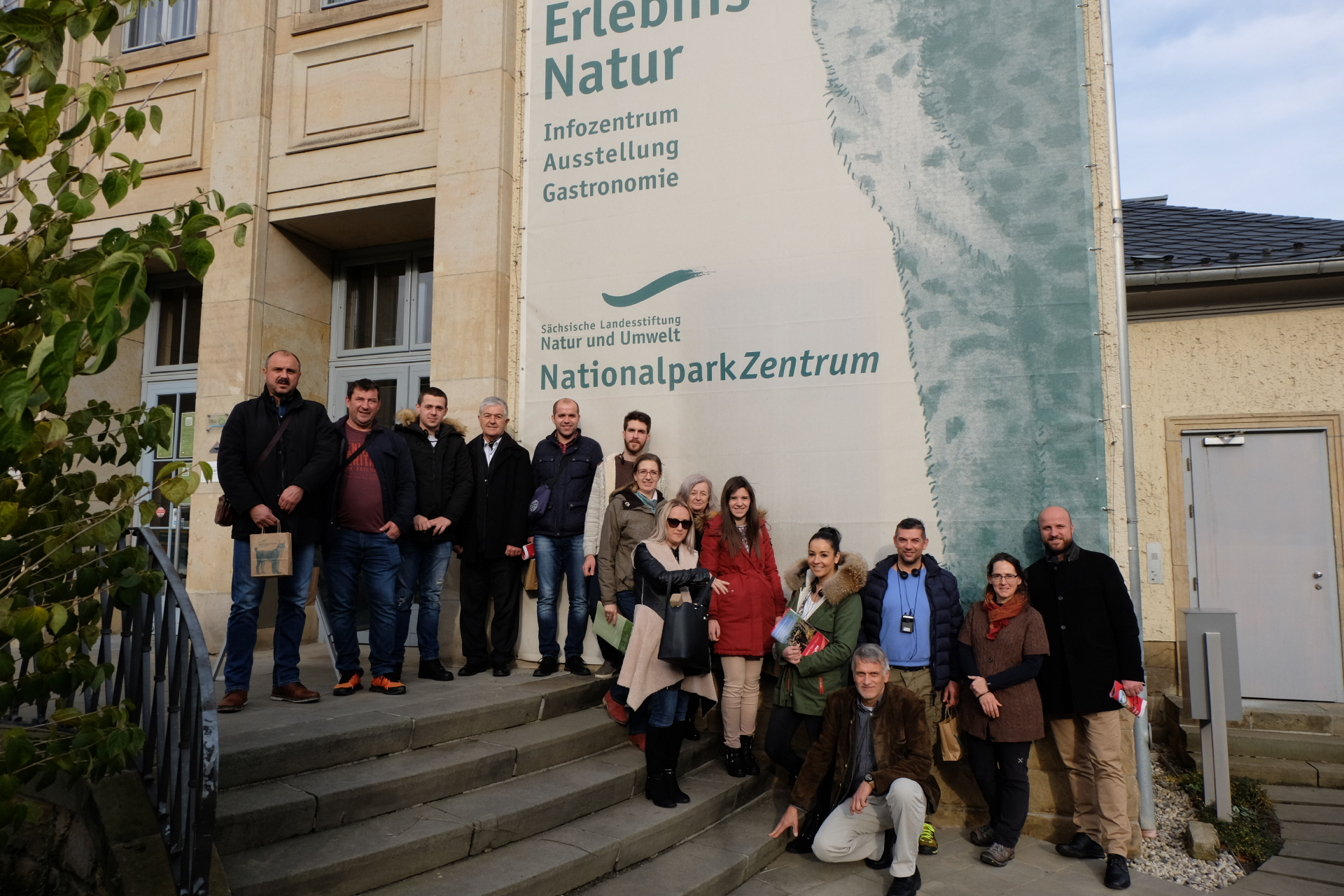
14 tourism experts from the Blidinje Nature Park in Bosnia-Herzegowina participated in a one week study trip to German nature destinations. Among others, Zittauer Gebirge Nature Park, the Saxon Switzerland National Park and the Harz Nature- and National Park as well as local tourism companies were visited.
Client: GIZ
|
|
|
International Ecotourism Meeting in South Africa
|
|
|
|
Meeting of ecolodges from all over the world
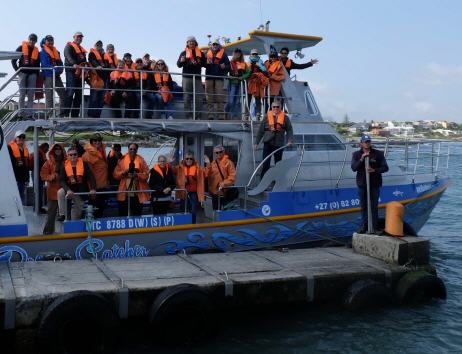
The annual meeting of The Long Run took place in 2017 in the Grootbos Private Nature Reserve near Gaansbai and was impressively prepared and organized. In addition to numerous excursions like a fascinating guided tour through the unique Finebos vegetation, different aspects of sustainability were explained and discussed. Another highlight was the official opening event of the Zeitz-Mocca Museum of African Art at The Harbour Front in Cape Town with an exclusive museum tour with Jochen Zeitz for the Long Run members.
|
International Climate Conference Marrakech COP 22
|
The new challenge: climate change and tourism
Participation in events of UNWTO at the international climate conference COP 22 in Marrakech/ Morocco
|
|
|
Nature Protection In Different Cultures
|
Nature Conservation Academy Vilm Island
Presentation on practical examples and moderation of a working group with international participants on the topic perception and conservation of nature in different cultures.
Client: Naturschutzbund Deutschland with Federal Agency for Nature Conservation
|
|
|
|
|
|
Events at ITB Berlin
|
ITB Destination Days
March 9, 2017, 12:00 - 13:00
Convention Hall 7.1a, Auditorium New York 1
Safety & Security: The New Order Of Tourism Destinations
Regional hot spots and terror attacks are unnerving travelers and influencing customary travel patterns like never before. Asian travelers are avoiding Europe, while European travelers are remaining in their own countries or simply doing without travel whatsoever. Dwindling tourist figures are plunging destinations into deep economic crises, whereas destinations which are perceived as safe are experiencing an unexpected boom in tourism. How are travel patterns shifting and what changes are currently taking place on the touristic map of the world? Which security solutions and communication strategies will help stabilize tourism demand?
Moderated by:
Eike Otto, Consultant for Tourism and Regional Development
Panel guests:
- Hüseyin Baraner, Foreign Operations Representative, TÜRSAB (Turkish Association of Travel Agents)
- Peter-Mario Kubsch, CEO, Studiosus Reisen
- Dörte Nordbeck, Head of Travel and Logistics Germany, GfK
- Ralph Schiller, Group Managing Director, FTI GROUP
- Harald Zulauf, CEO, media consulta International Holding AG
https://www.youtube.com/watch?v=w3IeYmznu30&list=PLdkWkPxF54jkmhibr2q64I1uFgfIO1Nww&index=9
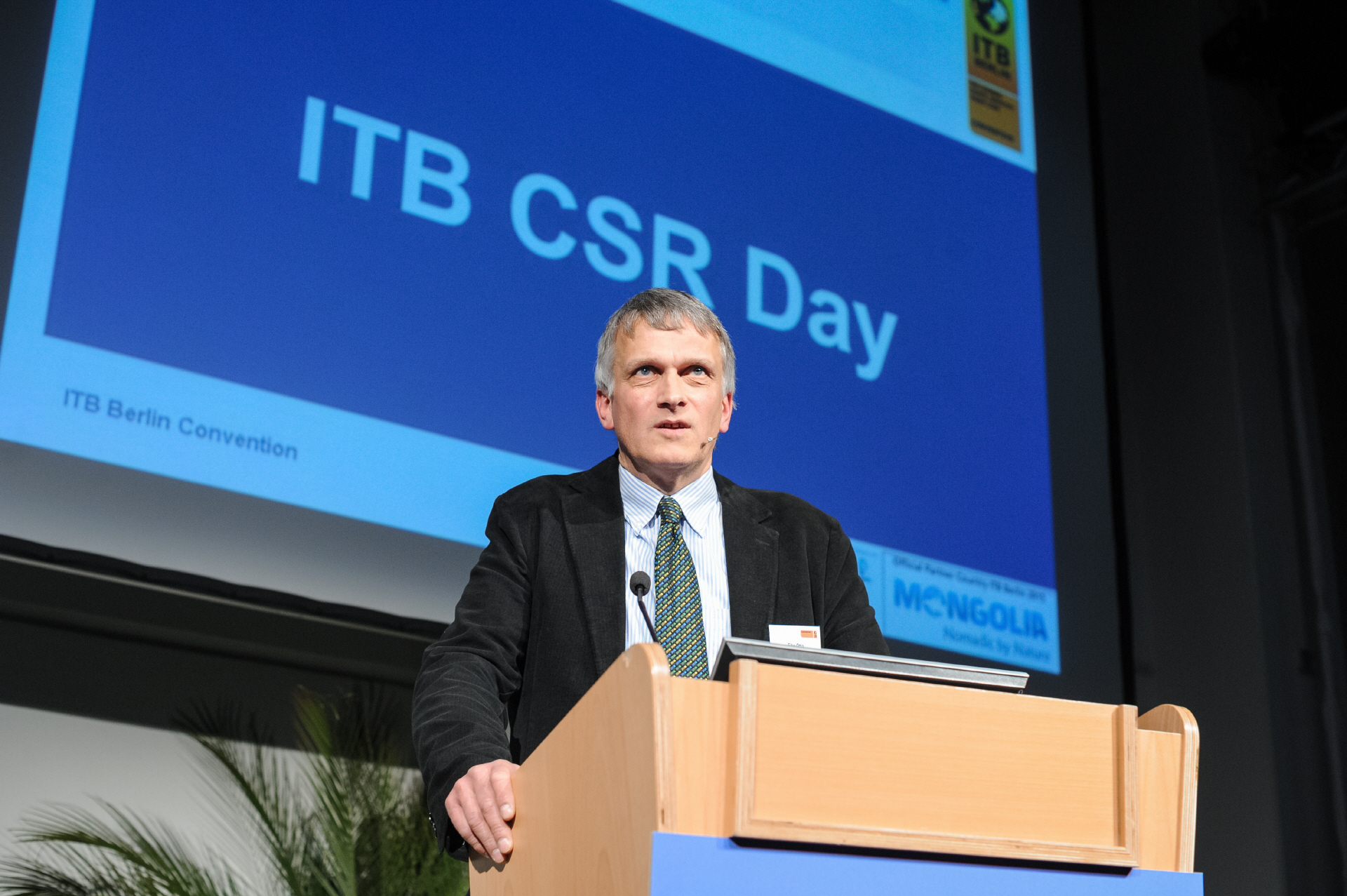
ITB CSR Day
March 10, 2017, 15:45 - 16:30
Convention Hall 7.1a, Auditorium New York 3
Luxury Tourism Of Tomorrow: Gazing At The Stars On The Doorplate Or Under The Open Sky
Desirable tourism offers are rarely sustainable. Luxury is often associated with abundance and opulence. The global avant-garde’s understanding of luxury is becoming reconciled with the concept of sustainability, however. Modern, high-end offers are simultaneously desirable, physically spartan and authentic, as examples like the Long Run Initiative show. Will recipes for success expand to the rest of the market or are classical market laws in effect here for the long run?
Moderated by:
Eike Otto, Consultant for Tourism and Regional Development
Panel guests:
Alejandro Castro Alfaro, Deputy CEO & Chief Marketing Officer, Costa Rica Tourism Board
Hitesh Mehta, President, HM Design
Sybille Riedmiller, Chumbe Island Coral Park Ltd., Zanzibar
https://www.youtube.com/watch?v=Myk8W9_Axd0&index=11&list=PLdkWkPxF54jkHbwdaXy1DOGcY4dRLUaG-
|
Destination Portugal
|
Should the German source market be better promoted?
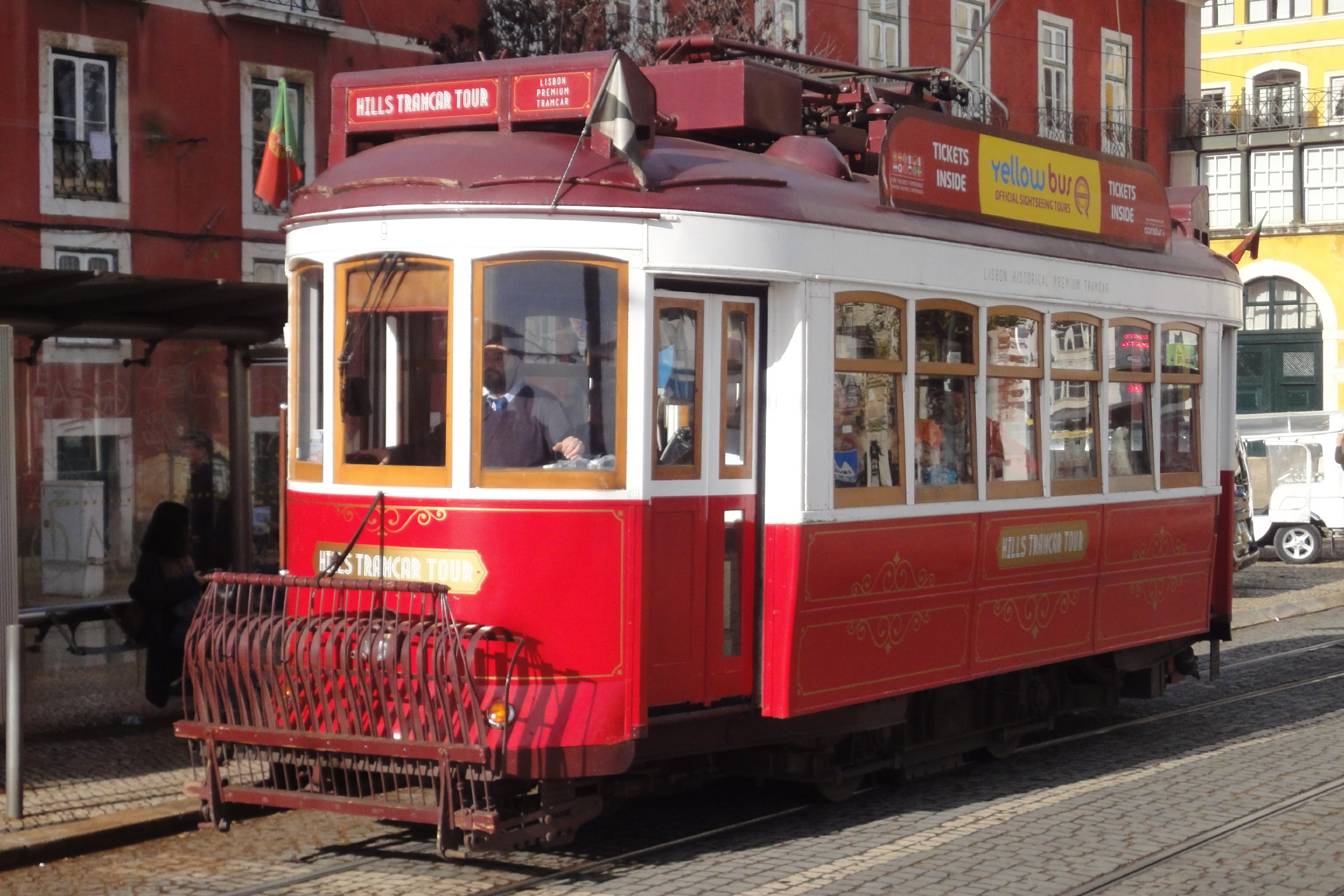
Portugal is an attractive and diverse tourist destination in Europe. Nevertheless, the German source market is currently playing a subordinate role. What are the expectations of German tourists? What current developments and trends can be observed in the German source market? What can Portugal do to attract more tourists from Germany? All these questions were discussed in January 2017 at a well-attended tourism workshop in Lisbon with representatives of the Portuguese tourism industry and the National Tourist Board.
At present, a meeting with Portuguese tourism representatives in Mecklenburg-Western Pomerania is being prepared in order to deepen the knowledge gained with German tourism experts. The project is carried out in close cooperation with Tourism Plan B in Berlin.
|
|
|
|
|
|
ITB Talk Safety and Tourism
|
In light of recent events: tourism and ssafety
We are currently experiencing a dramatically higher level of potential danger in many tourist regions. How did tourism manage to develop after previous terrorist attacks? Will our future travel behavior undergo serious changes? Will travelers feel more secure in their own countries as opposed to participating in mass tourism in foreign countries? Will tighter (border) controls hinder tourism in the future? Will the population’s fears lead to a loss in the attractiveness of big events and cities? Or will tourists learn to live with a heightened security situation? What lessons can be learned today from advance flight bookings for 2016? And last but not least: What measures can destinations take to make themselves more secure in such times of crisis?
Panel guests:
Mathias Brandes, Head of Communications Continental Europe, Thomas Cook AG
Michael Götschenberg, Journalist, Author and ARD Expert for Terrorism and Homeland Security
Alexander Karapidis, Senior Researcher / Consultant, Fraunhofer Institute for Industrial Engineering and Organization IAO
Dörte Nordbeck, Head of Travel and Logistics Germany, GfK
Jörg H. Trauboth, Crisis Management and Security Expert
Moderator:
Eike Otto, Consultant, sustainable-tourism.com
https://www.youtube.com/watch?v=VepECx68ENw
|
|
|
ITB Talk High Mountain Tourism
|
Sustainaillity in high mountain regions particularly important
How can tourism be developed in a more sustainable way in the high mountains? Where do income effects appear for the local population? These and other questions where discussed at a high ranking roundtable-talk at the International Tourism Exchange (ITB) in Berlin.
Participants were: Hans Kammerlander, extrem mountaineer from South Tyrol, Professor Dr. Klaus Töpfer, exekutive director IASS Institute for Advanced Sustainability Studies Potsdam and former executive director of the United Nations Environment Program (UNEP), Manuel Andrack, hiking expert, Donald Bäcker, weather moderator of ARD, Professor Dr. Edgar Kreilkamp, Leuphana University of Lüneburg and Klaus Lengefeld, leader of the sectoral project Tourism at GIZ. The event was moderated by Eike Otto
|
|
|
New Membership with LTandC
|
Linking tourism and conservation
Since October 2016: sustainable-tourism.com joins the organisation LTandC and will actively shape the work of this organisation in future.
More information available under:
http://www.ltandc.org/
|
|
|
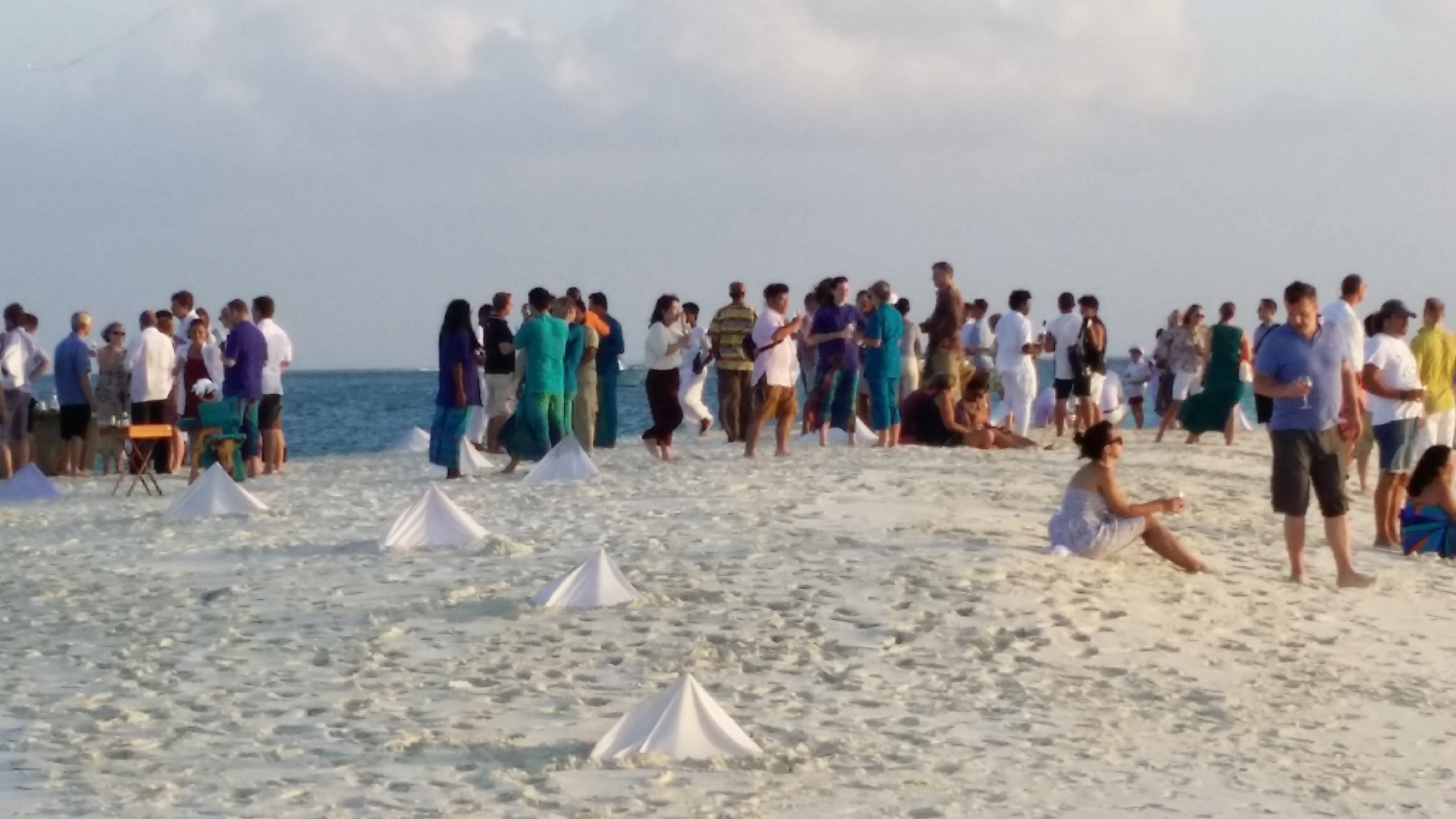
Annual meeting of TheLongRun in the Maldives
|
Luxury tourism and sustainability
This year, the international TheLong meeting was again held by a member company, this time in the Maldives. The island of Soneva Fushi impressively illustrated how high-priced tourism can be reconciled with adapted construction methods as well as environmental and nature conservation. The owner of Soneva Group, Sonu Shivdasani, had already established Six Senses Hotels as a successful hotel brand for sustainable tourism.
More than 40 companies from different continents, from the rain forest lobster to a manor house in Sweden, exchanged their experiences in sustainable tourism and discussed current challenges and problems.
http://www.thelongrun.com
|
|
|
|
|
|
Sustainable High Mountain Tourism in the Himalayas
|
New criteria for sustainable trekking
On behalf of GIZ and ICIMOD (International Centre for Integrated Mountain Development): Development of best practice showcases for sustainable high mountain tourism in cross border areas of the Himalaya in close co-operation with tour operators (both local and from the German speaking source markets)
|
|
|
Mountain Tourism in Albania
|
A new tourist destination arises
Consultancy services within the Pro-Invest GIZ project for the development for sustainable mountain tourism in Albania.
|
|
|
Tourism Trainings in Turkey
|
Energy efficiency and sustainability in the hotel and gastronomy sector
Technical assistance for increasing the adaptability of employers and employees in the tourism sector in Turkey (EuropeAid)
Trainings and advisory services for sustainable tourism measures (implementation level, incl. practical guidelines) within the Turkish Green Star Certification System in selected centres of best practise in Istanbul, Antalya, Adana, Izmir, Nevsehir (including mission to Ankara). Co-operation partners where business hotels and all inclusive holiday resorts in the four and five star segment.
Client: German Seminar For Tourism (DSFT), GIZ
|
|
|
Tourism Promotion and Hotel Trainings Uzbekistan
|
Tourism promotion for Uzbekistan
Just in time to ITB Berlin a new toursim promotion brochure which pouints out the ancient sikl road cities, but also the unique nature of the country, has been developed. The at the first time hand in hand with the brochure developed corporate design will be the basis for further presentation of the country as tourism destination. Additionally Uzbekistan was supported to implement the trade fair participation (incl. stand design) at ITB 2016 in Berlin while allready in 2015 several training workshops in tourism (e.g. service quality and sustainability in the hotel business) were carried out.
Tourism brochure Uzbekistan (in German only!) [1.745 KB]
On behalf of GIZ, the co-operation partner is Uzbektourism National Company
|
|
|
The Long Run
|
Sustainable-tourism.com joins the Long Run Initiative
TheLongRun is a leading global initiative for private nature conservation projects and sustainable tourism.
More information available under www.thelongrun.com and www.zeitzfoundation.org or connect with the Zeitz Foundation on Facebook (Zeitz Foundation) or on Twitter (@ZeitzFoundation)
|
|
|
Green Tourism Indonesia, Laos and Philippines
|
Guideline for greening tourism value chains
The purpose of this consultancy mission on behalf of GIZ (German International Co-operation) is to train moderators and afterwards trainees from the tourism industry to identify and implement strategies and measures for greening tourism value chains in Laos, the Philippines and in Indonesia.
After two successfull trainings and workshops in Bacolod/ Negros Occidental in the Philippines as well as in Lombok/ Indonesia with representatives from the provincial and municipality level, NGO's as well as from the private sector (e.g. accommodation, food and beverages, scuba diving, transport, agriculture) a practice-oriented guideline is now available for other destinations.
Guideline Greening Tourism Value Chains [6.599 KB]
|
|
|
Annual Action Programme for Uzbekistan
|
Rural development and tourism in Uzbekistan
Participation in an international expert team for the preparation of the Annual Action Program for Uzbekistan in the field of agriculture and tourism.
The aim of the project is to prepare financing decisions adopted by the European Commission to reserve funds for regional and country-based external cooperation programmes and for the implementation of thematic programmes. Main activities are to specify the objectives pursued, the fields of intervention, expected results, management procedures and total amount of financing planned. In addition, a description of the operations to be financed, an indication of the amounts allocated for each operation and an indicative implementation timetable are to be prepared
|
Sustainable Tourism in the Himalaya/ Tibet
|
Pilgrimage tourism in the Kailash Sacred Landscape in Tibet
The Kailash Sacred Landscape includes remote portions of the Tibet Autonomous Region of China and contiguous areas of Nepal and India. This area is historically, ecologically, and culturally interconnected, it is also the source of four of Asia’s most important rivers. Mount Kailash is revered by millions of people in Asia and throughout the world. However, haphazard and uncontrolled tourism development can cause irreversible damage to livelihoods, the vulnerable ecosystem and cultural and spiritual values of this remote part of the Himalaya mountain range.
The project aims to develop and implement strategies and measures that can preserve the uniqueness of the landscape while also promoting investments in responsible tourism development
|
|
|
|
|
|
Ecotourism in Tanzania
|
Success story: the first private marine park in the world - a non profit nature conservation and tourism project
Chumbe Island in Zanzibar/ Tanzania counts among the leading examples for sustainable tourism worldwide. The project has been distinguished with many international awards and offers a fascinating atmosphere for nature tourists without relinquishing luxury and comfort. Chumbe is an excellent example that consistent enforcement of sustainability is compatible with an impressive holiday experience and even a high quality, luxury tourism product.
During my first visit to Chumbe in 1992 the national language Kiswahili did not even have a word for "Coral". These were called "Mawe na Miamba", which means "stones and rocks". However, today the situation has changed completely. A team of conservationists, management and service staff is working in a very professional way to offer a high quality tourism product which, at the same time, contributes to protect the ecology on the island and implements environmental awareness raising measures for local people.
It should not be forgotten to say that the Chumbe reef, which has been protected for over 20 years, is now one of the most pristine and biodiverse coral reefs along the whole African coast and thus provides an excellent snorkeling experience for tourists and Tanzanian people.
Hence the mission report with recommendations for improvements was one of the shortest I ever wrote ...
More information is available under chumbeisland.com
|
|
|
AIDA-Cruises - Sustainable Land Excursions
|
New standards for shore excursions
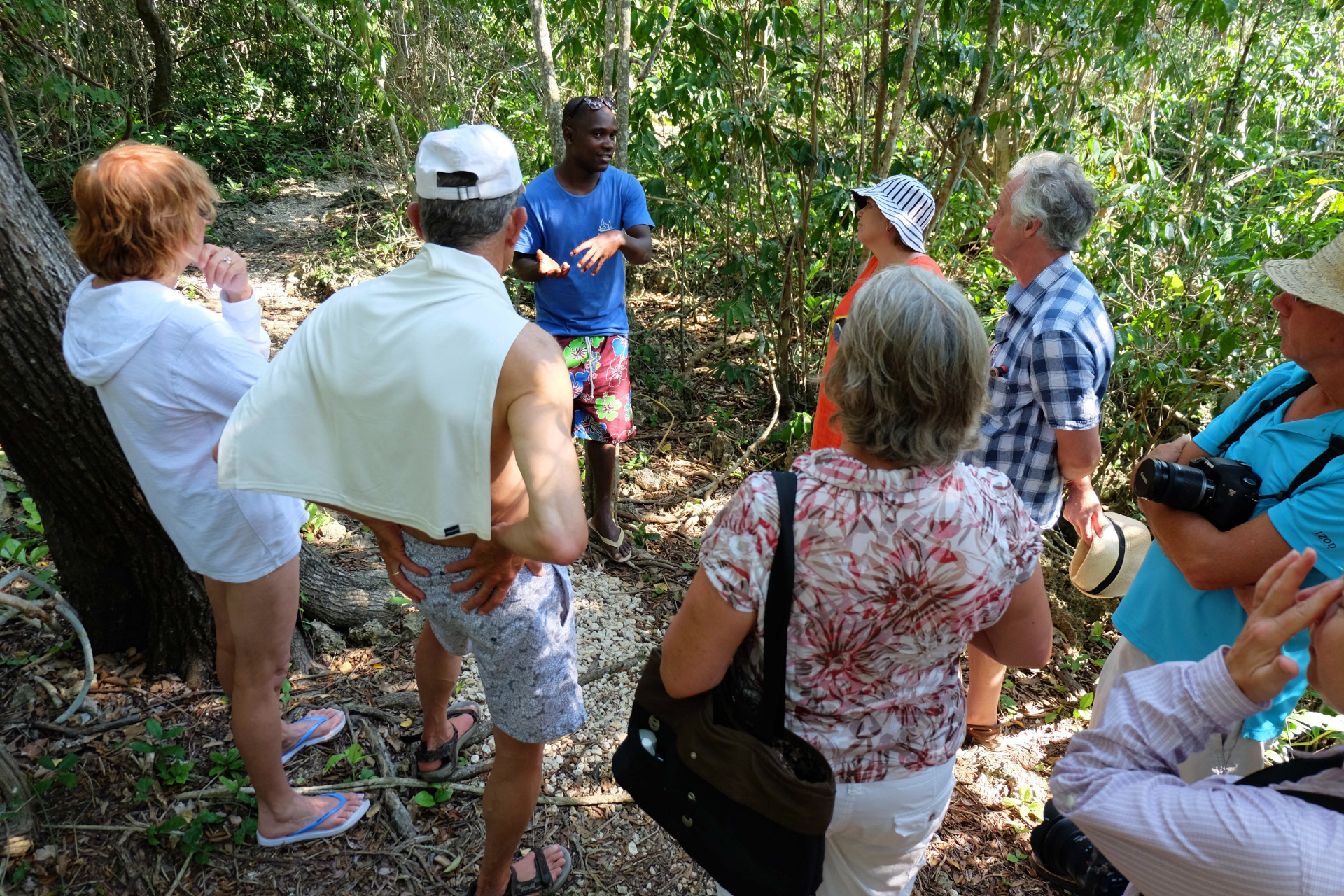
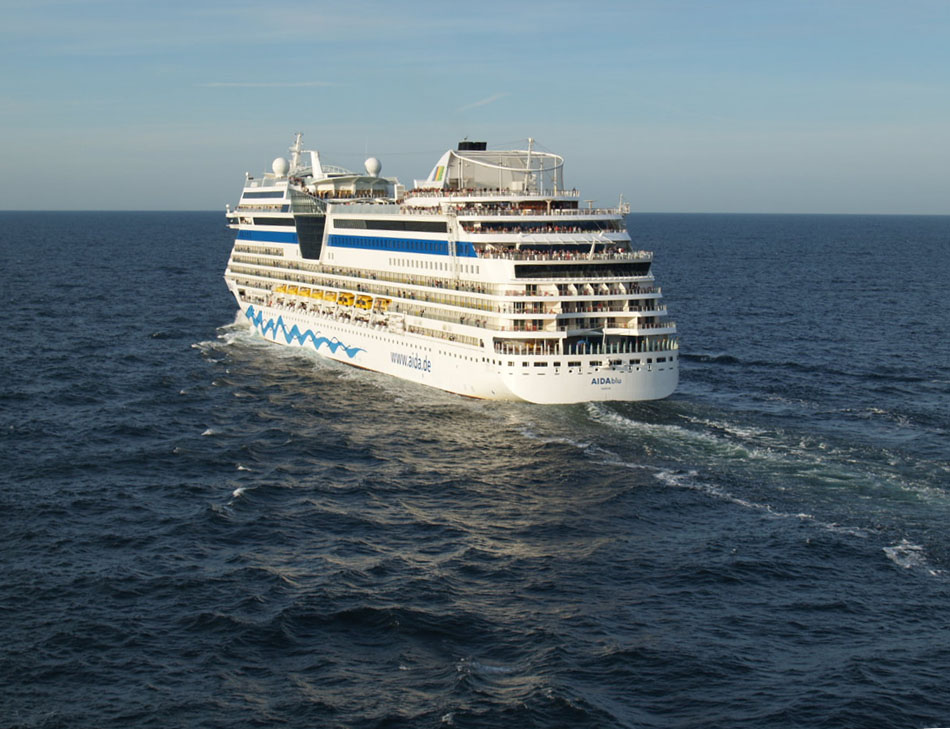
How can land excursions developed in a sustainable way? Who should be involved and how? Which training measures are needed on board and in the destinations in order to develop suitable criteria for being implemented on a worldwide level? How can attractive products be developed and marketed? These and more questions will be evaluated within a perennial project in close co-operation with AIDA Cruises, the federal state of Mecklenburg-Vorpommern and Futouris. Futouris is a sustainability initiative of leading German tourism companies. The project will be supervised in co-operation with the tourism management branch of Lüneburg University
|
|
|
|
Panel Discussion on Sustainable Tourism at CMT
|
'All-inclusive' on land and on sea – can it be sustainable?
Professional event at the CMT tourism trade fair in Stuttgart/ Germany at January 17th 2014 with representatives of the tourism industry, ecology and the development co-operation.
At the well visited event sustainability was especially discussed in the context of the cruise tourism industry. Thereby it turned out that positive examples for more sustainability are also available in the all-inclusive segment, even if this topic has obviously reached a few forerunners of the industry up to now. Beyond technical questions like energy efficiency, air pollution control, waste and sewage treatment a more sustainable management of visitor streams in the destinations will play a more important role in future. Sustainable tourism finally requires attractive tourism products, which are built on environmental and nature conservation themes and on social aspects.
Participants of the discussion:
Eike Otto, project coordinator for the project "Sustainable Shore Excursions" with AIDA Cruises, the State Chancellery of Mecklenburg-Vorpommern and Futouris e.V.
Sally Rahusen, travel-to-nature GmbH, Ballrechten
Burghard Rauschelbach, GIZ-Consultant, Friedrichshafen
Daniel Rieger, German Federal Nature Conservation Association (NABU), Berlin
Jörg-Michael Rösner, German Federal Tourism Industry Association (BTW), Berlin
Gunther Träger, press spokesman Tourist Board Dominikan Republic, Frankfurt am Main
Moderation: Prof. Dr. Michael C. Hermann
Organizer: Stiftung Entwicklungs-Zusammenarbeit Baden-Württemberg (SEZ), Deutsche Gesellschaft für Internationale Zusammenarbeit (GIZ) GmbH, Diözese Rottenburg-Stuttgart Hauptabteilung Weltkirche, Evangelische Akademie Bad Boll, forum anders reisen e.V.
|
|
|
Baltic Sea Tourism Strategy
|
Tourism co-operation in the Baltic Sea Region needed
Participation at the Baltic Sea Tourism Forum in Ringsted (Denmark) and speaker at the open panel discussion “Sustainable tourism – Strategy and practical implications of a commonly used term”
The panel discussed which significance sustainability has for tourism development in the Baltic Sea Region. Examples how elements of sustainable tourism can look like where highlighted and it was indicated how they pay out in practice.
Approximately 100 representatives from all Baltic Sea neighbouring countries participated at the Baltic Sea Tourism Forum, which was organized by the East-Danish tourism association "Visit East Denmark" together with the Tourist Board and the State Chancellery of Mecklenburg-Vorpommern
|
Climate Smart Tourism in the Philippines
|
Climate smart tourism and quality enhancement go hand in hand
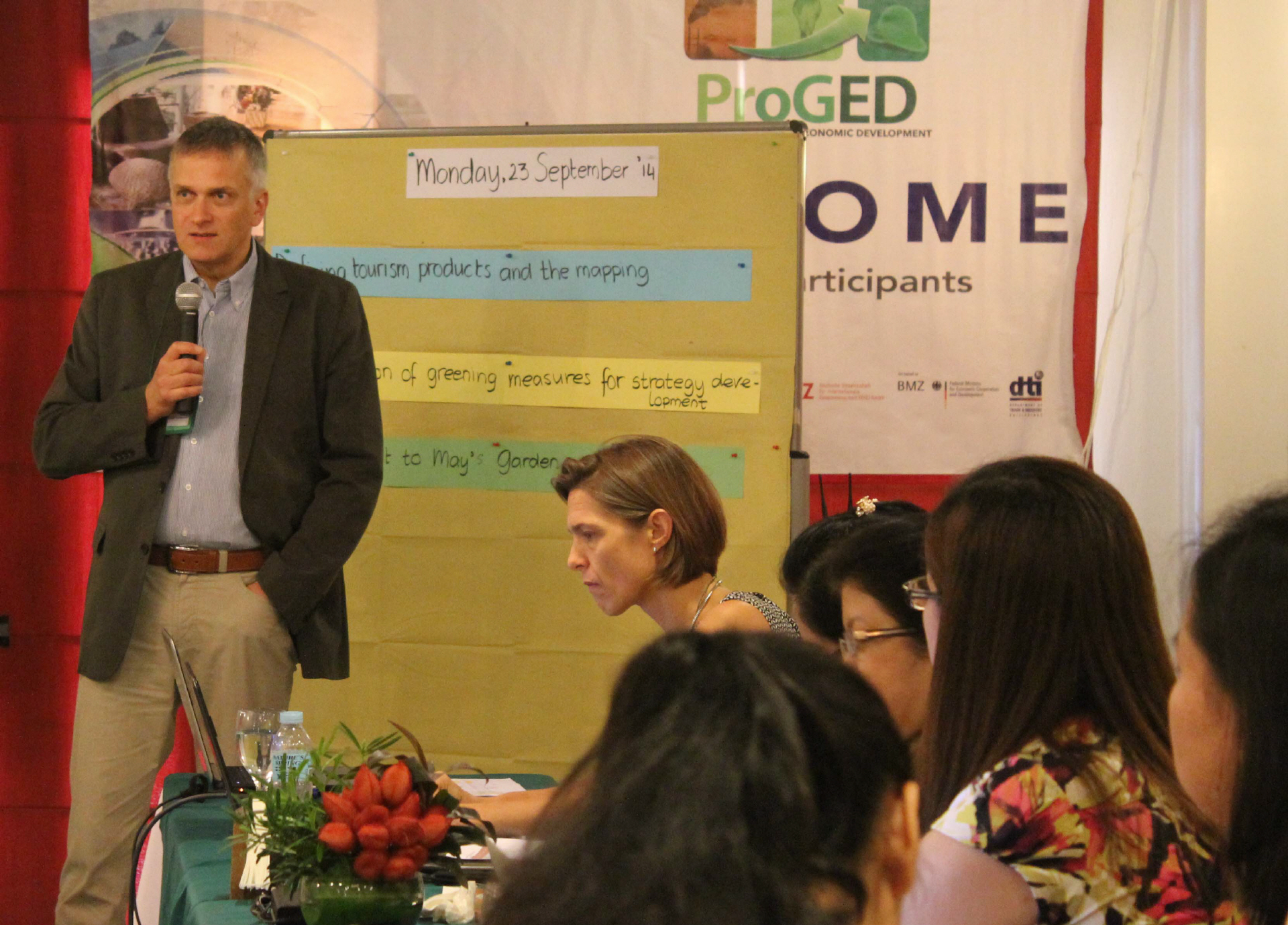
The objective of the Promotion of Green Economic Development (ProGED) Project is to improve the competitiveness of enterprises through the adoption of climate smart and environment friendly strategies. With the Department of Trade and Industry (DTI) as its implementation partner, the project will pilot activities in the tourism sector in the provinces of Bohol and Cebu, and replication in other parts of the country.
It shall not be failed to mention that the heavy earthquake at Nov. 15th 2013 in Bohol and Cebu made it necessary to view at additional aspects beyond the initial task of green economic development in tourism. However there are several linkages between earthquake safe construction and methods to improve energy efficiency or climate smart building (such as improving the general construction quality or the use of wood as building material due to increased stability and carbon storage)
|
|
|
Cruise Talk in Hamburg
|
The leading Cruise event in Hamburg
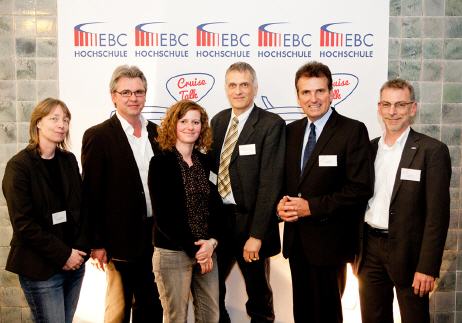
Well visited was an event organised by the EBC University in Hamburg with the title: "Cruises with Green Conscience, Lip Service or real Chance?" Leading representatives from the cruise industry discussed about new technologies, destinations which are faced with new challenges but also options for new product innovations. The talk was moderated by Dr. Johannes Bohmann, journalist and chief editor of the Cruise Guide
|
Consultancy for Tourism Companies in Crimea
|
New tourism products for European source markets
Within the framework of the EU co-financed Foreign Direct Investment Promotion Project tourism companies from Sevastopol/ Crimea will be supported to develop tourism products. The tourism potential, especially in the segments 'Culture', 'Nature' as well as 'Active and Adventure Tourism' will be developed after the demand of European source markets.
|
Climate Smart Tourism in Thailand
|
A workshop series
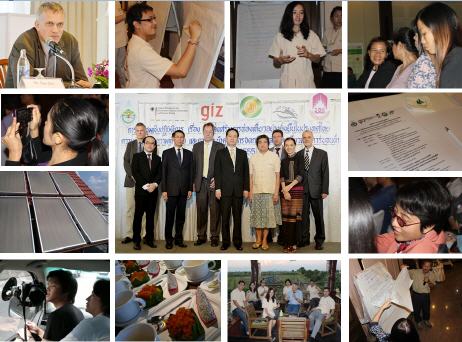
In November 2012 a workshop series on the topic 'energy efficiency and climate friendly destination management' was conducted in co-operation with tourism organisations and companies in different tourism destinations of Thailand. During the workshops experiences and joint solutions where discussed. The high number of participants and the big interest of the Thai media was remarkable. In April 2013 an additional training seminar was conducted in the northern Thai Province of Nan.
|
Vocational Training and Quality in Turkish Tourism
|
Pre-feasibility study employers and employees in the Turkish tourism industry
Within the framework of an EU-project with GIZ: participation in the elaboration of a concept for initiating vocational training and quality enhancement in tourism in Turkey (including sustainability as an important aspect).
|
|
|
|
|
|
|
|
|
Economic Development in Bosnia-Herzegowina
|
Agro tourism as a new niche
Together with chambers od commerce and business organisations, key areas of economic development and unique selling points where indentified for selected areas in Bosnia-Herzegowina. Among others, the exchange with appropriate partner organisatiions in Germany was initiated, furthermore concepts and measures in the field of regional development are planned to be developed. The project covers metal- and wood manufacturing and agriculture in the context with tourism.
|
|
|
|
Tourism in International Development Co-operation
|
Guest lecture
Presentation at Best Sabel University in Berlin
|
Study trip from the Ukraine to ITB Berlin
|
New insights at the world's leading tourism fair
On the occasion of the International Tourism Trade Fair in Berlin (ITB) tourism professionals from the Ukraine (regions Chernivtsi and Crimea) visited destinations and tourism companies in the Federal State Brandenburg. The participants informed themselves about tourism in historical cities and off season tourism products. Several meetings with tourism associations, urban administrations, hotels and the gastronomy sector where conducted
|
Climate Protection in Thailand
|
Summary of main topics in a diverse theme
Compilation of a guidebook for climate friendly tourism in Thailand on behalf of GIZ and in close co-operation with tourism institutions. The aim is to show practical recommendations for local stakeholders in terms of energy efficiency measures and tourism products in the context of "climate" and "climate protection". Involved are for example the Tourism Authority of Thailand (TAT) and the Designated Areas for Sustainable Tourism Administration (DASTA)
|
|
|
Tourism Marketing Organization for the Ukraine
|
International tourism conference
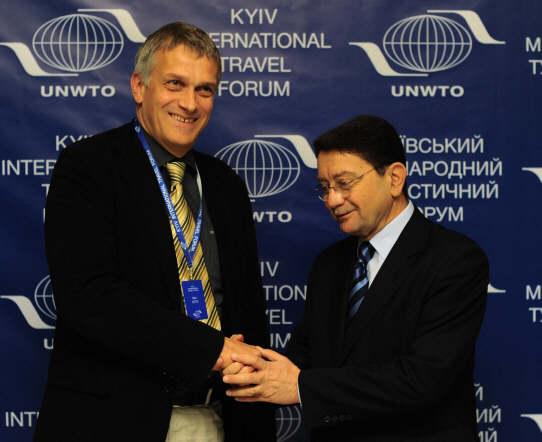
The Ukraine intends to establish a national tourism organization in order to enhance its presence within the international competition. In this context the tourism potential, important source markets but also questions regarding organizational and financial matters and tourism statistics were discussed with stakeholders in tourism. During a recently held workshop Mr. Rifai, the Sectretary General of the UN World Tourism Organization (UNWTO) showed himself impressed by the tourism development potential of the Ukraine
|
|
|
Study Tourism Websites Baltic Sea
|
The Baltic Sea region as tourism destination
The aim of the study was to evaluate tourism websites of different destinations and travel agencies in the Baltic Sea region and to provide recommendations for common synergies. The results was presented and discussed at the international conference of the Baltic Sea States "Building a Baltic Sea Tourism Region" in Rostock Warnemünde (Germany).
The study was conducted in co-operation with Projectm in Berlin.
More information is available under:
http://www.baltic-sea-strategy-tourism.eu/cms2/BSST_prod/BSST/en/_Downloads/_Tourism_Conference_Warnemuende/index.jsp
|
|
|
Product Development in Tourism
|
Practice required
Training course and guidebook for product development in tourism in the Ukraine (on behalf of ICON-Institute/ GIZ)
|
Vocational Education in Tourism in Azerbaijan
|
Is Azerbaijan prepared for tourism?
The tourism sector has been declared as prior development area by the government of Azerbaijan. In co-operation with Azerbaijan Tourism Institute (ATI) in Baku, a study for vocational training in Azerbaijan and several stakeholder workshops have been conducted on behalf of GIZ. The aim is to develop five new vocational schools for tourism and to integrate more practise in close co-operation with the private sector in future training courses
|
Tourism Development in Crimea
|
Diversification of tourism
Consultancy assignment to support an international consortium in the preparation of a technical proposal to the European Commission for the Crimean Tourism Diversification and Support Project
|
Ecotourism in the Caucasus
|
Film script
On behalf of AHT Group in Essen/ Germany basics (script, preconditions for filming) for a video showing nature areas of the Southern Caucasus as ecotourism-destination where developed. The Caucasus Initiative, supported by the German Ministry for Economic Cooperation (BMZ) and KFW, includes the south caucasian republics of Azerbaidjan, Armenia and Georgia
|
|
|
|
Guidebook for Tourism Information Centers
|
An overview on basic requirements
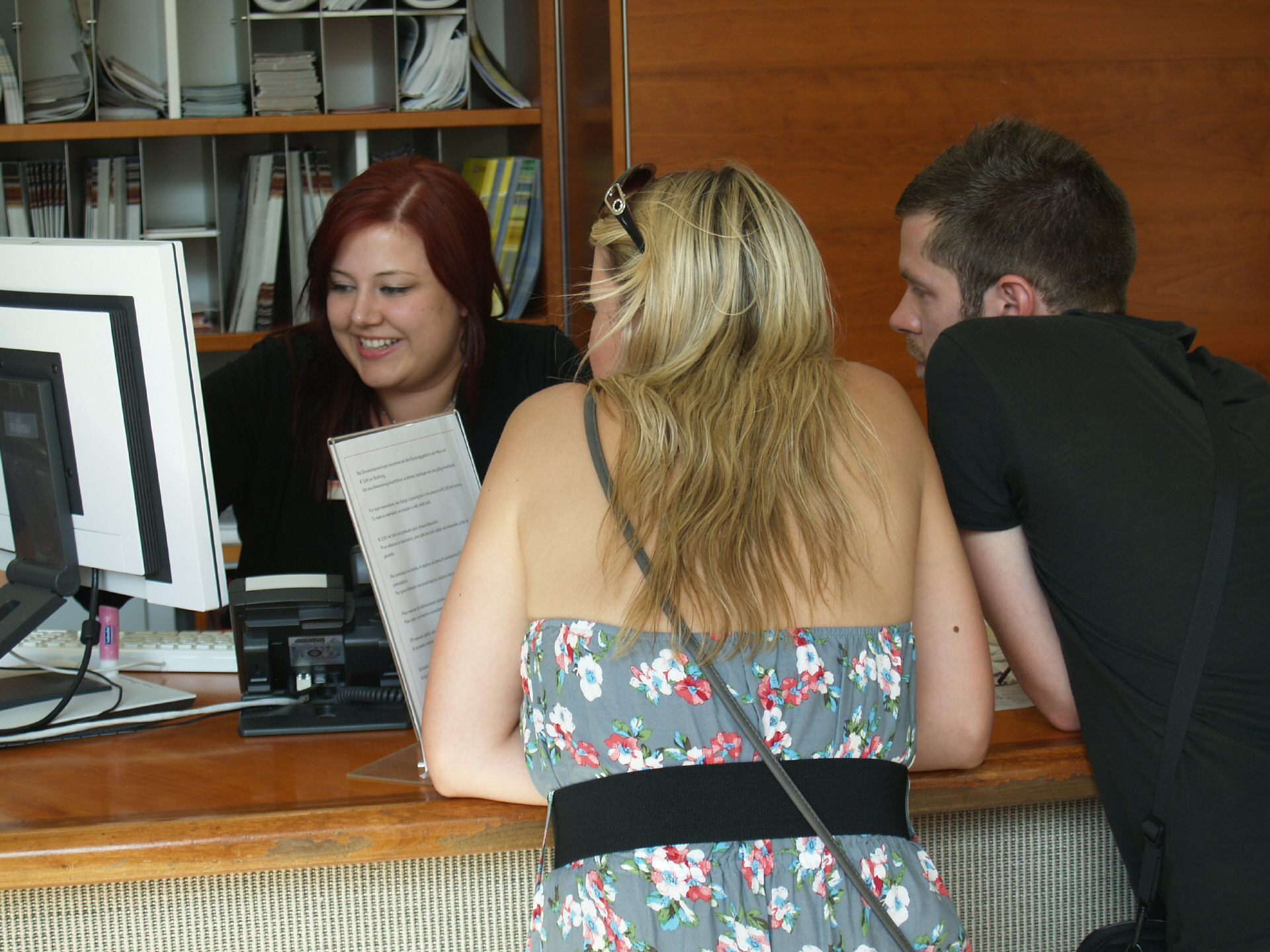
What are the tasks of tourism information offices? What should be considered in terms of interior design? And how can the daily challenges accomplishes in the best way? The aim of a recently finished practical handbook is to help employees and management staff of tourism information centers in their daily work
|
|
|
Conference on Sustainable Tourism
|
Session on sustainable tourism and energy saving
Over 100 participants attended at an international conference on sustainable tourism, which was recently conducted by USAID (United States government agency) and SIDA (Swedish International Development Agency) in co-operation with the UNWTO (World Tourism Association) in Sarajevo, Bosnia-Hercegovina. I was asked to take part as speaker (introduction to the topic) and to facilitate the Sustainability and Energy Efficiency session
|
|
|
Conference on Health Tourism in Crimea
|
Can the old Sowiet Sanatoriums be modernized?
The Committee on Eastern European Economic Relations in co-operation with German International Corporation (GIZ) and the local ministries for tourism and for economy organised a conference on recent developments in health tourism. On this occasion, the new guidebook for health tourism development of the German Ministry for Economy was also presented and discussed. More than 70 participants from the tourism business, politics and from the press joined the conference, which took place in the seaside town of Evpatoria.
|
Tourism and Sustainable Development at GIZ
|
A new flyer for GIZ sectoral tourism project
On time to the International Tourism Trade Fair (ITB) 2011 in Berlin, a new flyer of the sectoral project Tourism and Sustainable Development of the German International Cooperation (GIZ) was published. It provides an overview on aims and activities in tourism within the German international development co-operation. The flyer can be downloaded under the following link:
sv-tourismus-giz-e.pdf [1.177 KB]
|
Industrial Tourism
|
Similarities between the Ruhr area and Donbass
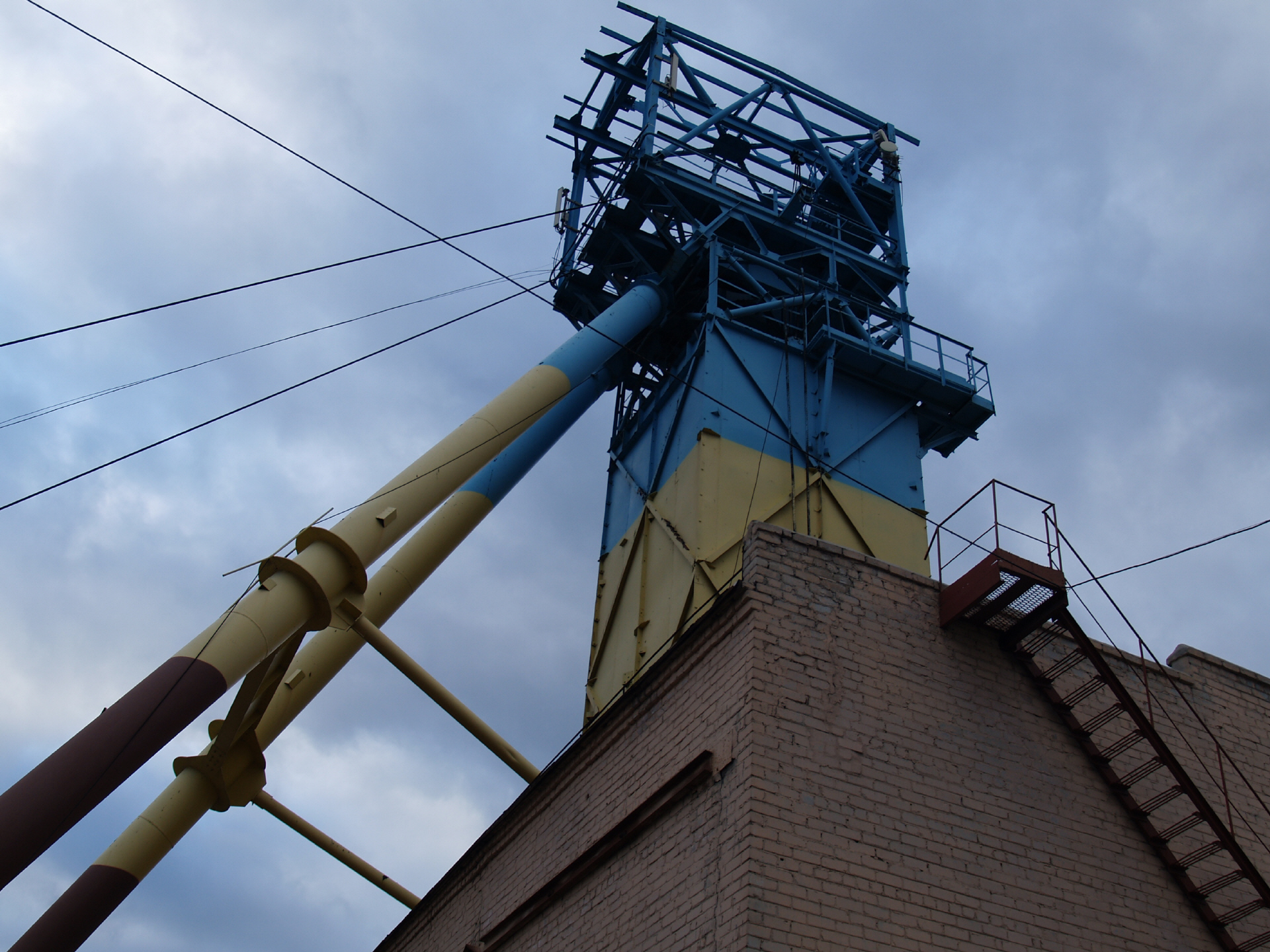
The Ruhr Area in Germany with its numerous event locations and places of interest from the industrial past and the Unesco listed Ironworks, but also factory tours and theme worlds (e.g. of the automotive sector) are examples for the manifoldness of industrial tourism offers.First steps to develop industrial tourism have been undertaken also in Donetsk region in eastern Ukraine. For the assessment of the potential and activity fields, a fact finding study with several stakeholder workshops was recently conducted. Client: Icon-Institute/ GIZ
|
|
|
Tourism in National Parks
|
How can national parks generate income?
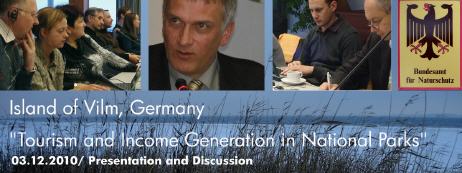
Workshop presentation: 'Touism as Income Generator for National Parks' at the Nature Conservation Academy on the island of Vilm
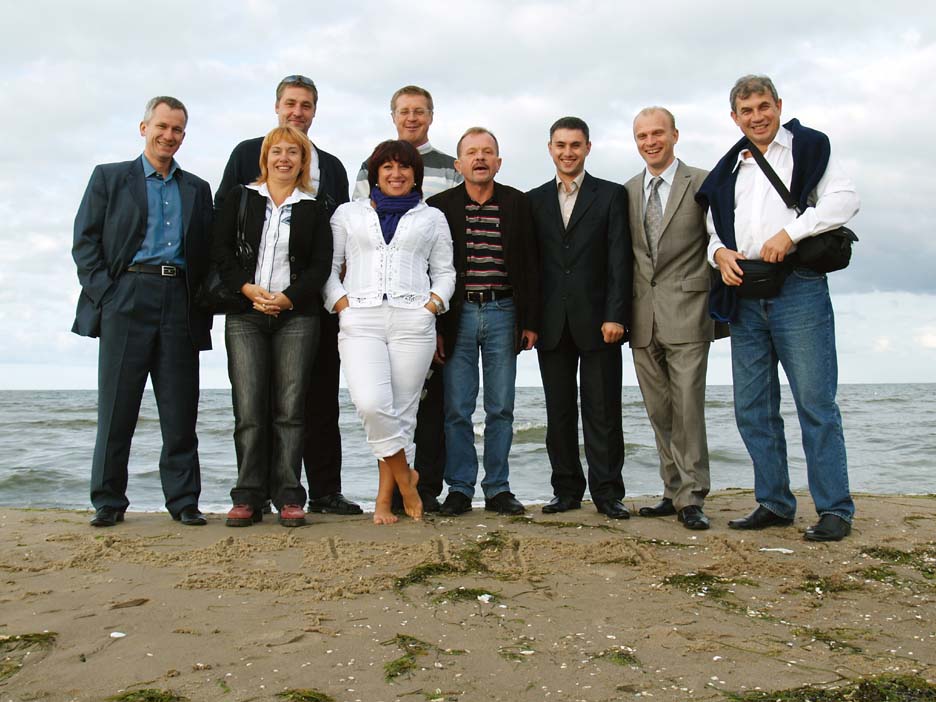
How can tourism contribute as income generator for national parks? What do tourists expect today and which practices are most successful? These and other questions where raised and intensly discussed with national park authorities and environmental conservation specialists from the Ukraine and Germany during a workshop, which was conducted by the German Federal Agency for Nature Conservation at the island of Vilm in Germany
|
Tourism Study Prokletije National Park Montenegro
|
|
Hotels and Sustainability
|
Hotel Chains not prepared for green travellers
Staff at trade fair booths of leading hotel groups were asked which information they provide regarding environmental and social engagement in a survey at ITB 2001. The result was sobering: reliable information material about sustainability issues was not provided at all and trade fair staff was generally not able to provide continuative information. Only in three cases contact persons for sustainability themes of the respective hotel groups were mentioned. The study was conducted on behalf of GIZ
|
Tourism Development in the Ukraine
|
From tourism concepts to promotion
Aim of the project is to support the two regions Crimea and Chernivtsi in Ukraine in tourism development. Tourism concepts, training measures, tourist web pages as well as tourism promotion films are some examples of activities which are planned until March 2011. Client: ICON Institute, Germany
|
|
|
The Dinaric Alps
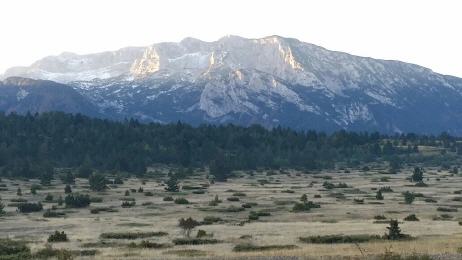
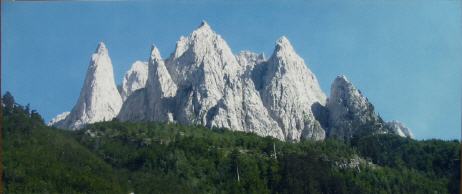
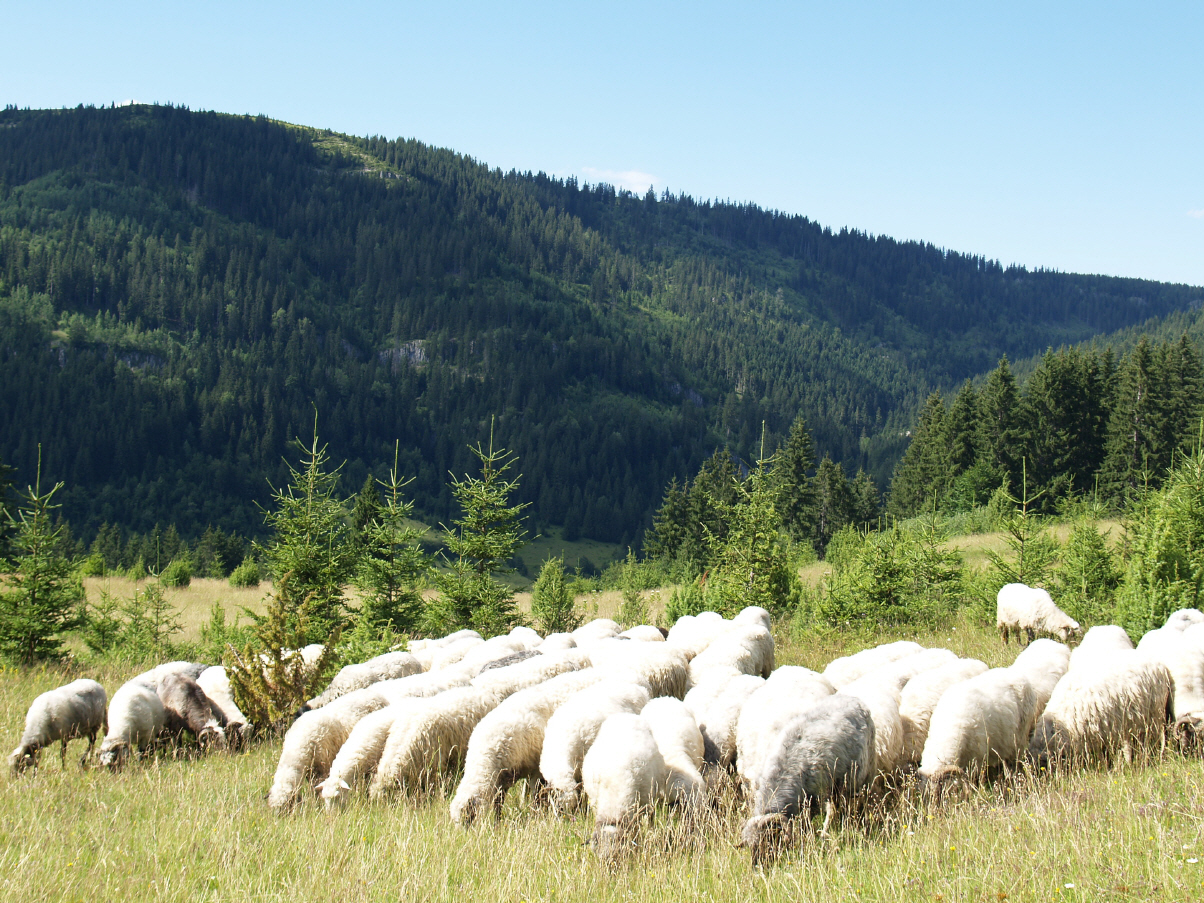
The Prokletje mountain range at the border between Montenegro, Albania and Kosovo is one of the last not entirely discovered mountain landscapes in Europe. The aim of this mission was to compile a tourism development study for the area of Prokletije National Park under the perspective of a protected area in close co-operation with local stakeholders.
|
Energy Efficiency-Thai Experts visited Germany
|
Energy saving in tourism
Tourism experts from Trat province in southern Thailand visited companies in Berlin and Brandenburg State in order to exchange experiences in the use of renewable energies and energy efficiency measures in tourism. The visit was conducted on behalf o GIZ (German International Co-operation) within the framework of a Thai-German project of the International Climate Protection Initiative (Federal Ministry for Environment, Nature Conservation and Nuclear Safety/ BMU)
|
Renewable Energy and Energy Efficiency in Hotels
|
The Energy Day
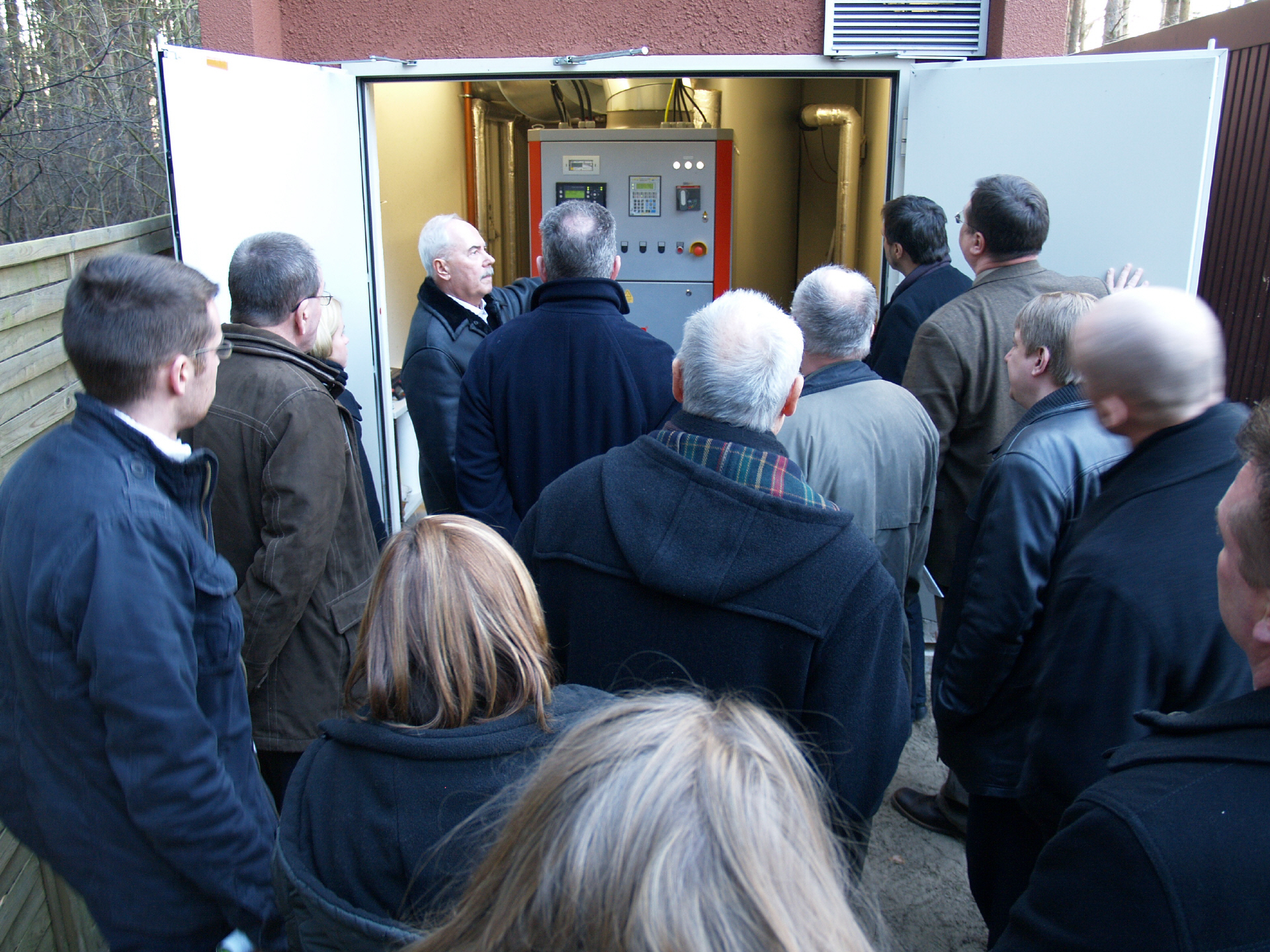
day full of energy in Oberhavel" was the motto of a business and press trip within the EU co-financed SETCOM project, where 10 communities of 10 European countries are searching for new approaches in energy efficiency and renewable energy in tourism. Though it became clear: energy efficiency and renewable energy make sense, especially in the hotel- and gastronomy sector. Many of the visited entrepreneurs are willing to increase their investments in this issue in future.
Further product innovations in renewable energies were presented, such as a new technology, which enhances the efficiency of solar panels by cooling, or installations, which are able to either cool or heat by using geothermical energy.
More information about the SETCOM project is available under:
http://www.setcom-project.eu
|
|
|
|
|
|
Tourism Development in Uzbekistan
|
|
|
|
Country of the Sherazade
Uzbekistan is the country at the Silk Road and the country where the novels of the Arabian Nights where written. How can the destination Uzbekistan be positioned in future? Which steps have to be undertaken in terms of tourism development? Which target groups seem to be appropriate and which demands do they have? These and other questions where discussed in two workshops in July and in October 2010 with stakeholders from ministries, tourism organizations and tourism entrepreneurs. The workshops where arranged by the Chamber of Commerce in Tashkent in co-operation with Inwent - Capacity Building International and Applicatio Training and Management GmbH.
After the event, which was highly recognized by local media, all participants came to the conclusion, that Uzbekistan has much to offer, although it is rarely known as tourism destination. The unique and fascinating architecture, monuments and the rich history are already attracting tourists from all over the world.
|
UNWTO/ 5th International Meeting on the Silk Road
|
The Silk Road and sustainable tourism
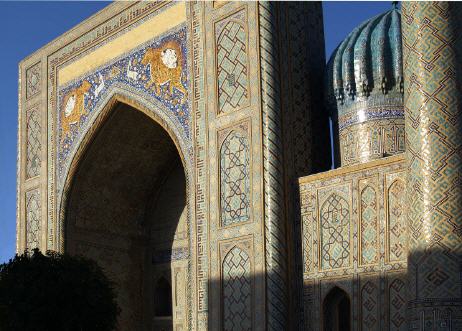
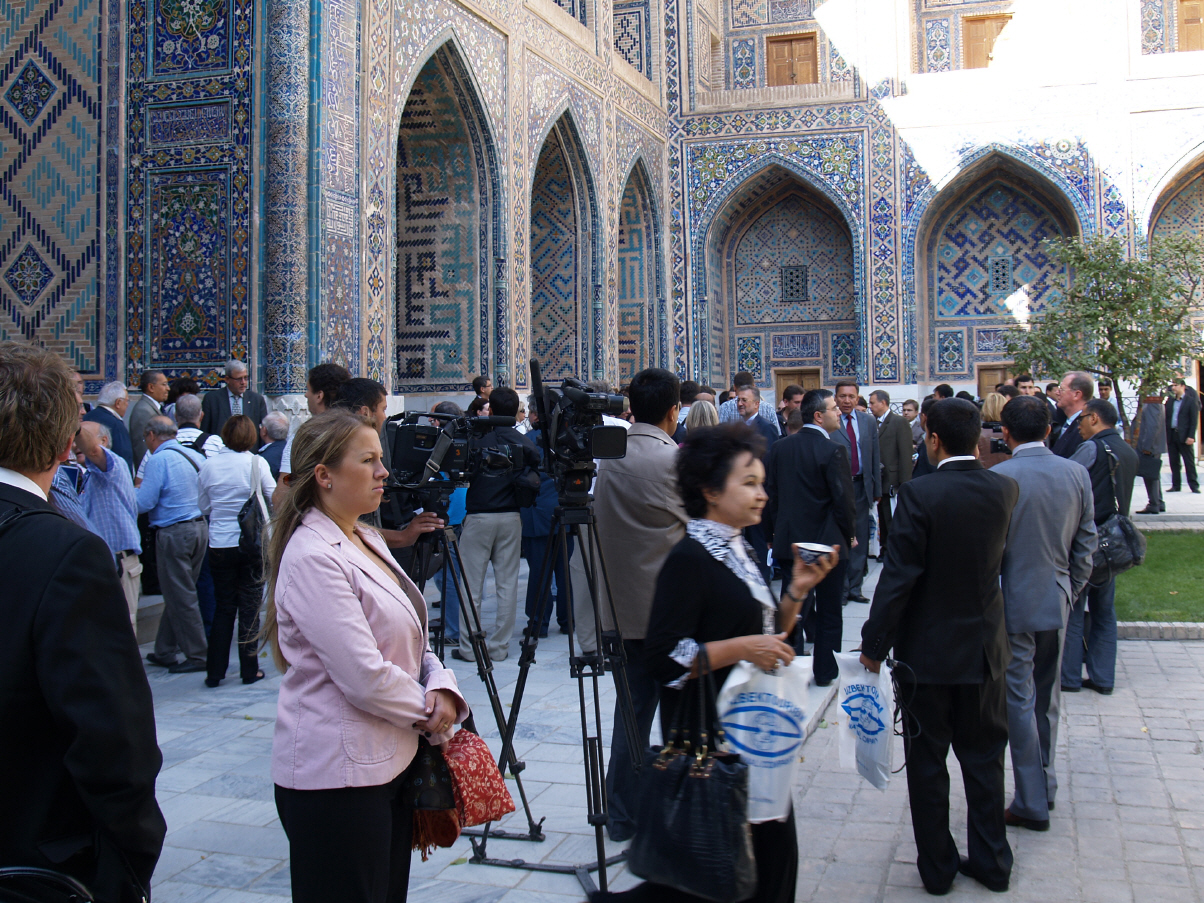
Tourism representatives of 26 countries along the Silk Road took the first steps towards adopting a new Silk Road Action Plan. The meeting under attendance of UNWTO Secretary-General Taleb Rifai took place in the impressive buildings of Registan square in Samarkand/ Usbekistan, which are listed as UNESCO World Heritage site. Eike Otto was invited to join a journalists trip and to held a presentation about options for the development of sustainable tourism products along the Silk Road.
The Silk Road countries, with a total of about 12,000 kilometres of ancient routes, include Armenia, Azerbaijan, China, DPR Korea, Egypt, Georgia, Greece, Iran, Israel, Italy, Japan, Kazakhstan, Kyrgyzstan, Mongolia, Pakistan, Korea, Russian Federation, Saudi Arabia, Syria, Tajikistan, Turkey, Turkmenistan, Ukraine and Uzbekistan
|
|
|
Kajak Tourism at Skadar Lake
|
|
Delegation Visit in Germany
|
High ranking contacts established
In September 2009 a delegation, which was accompanied by the minister for economy and the minister for tourism of the Autonomous Republic of Crimea, visited Berlin and the Federal States of Brandenburg and Mecklenburg-Vorpommern. The group met Minister Seidel, Ministry for Economy, Labor and Tourism of Mecklenburg-Vorpommern, Mr. Methling, city major of Rostock and other tourism professionals, such as from hotels, museums, tourism associations and scientific institutions.
|
|
|
|
|
A sectret treasure
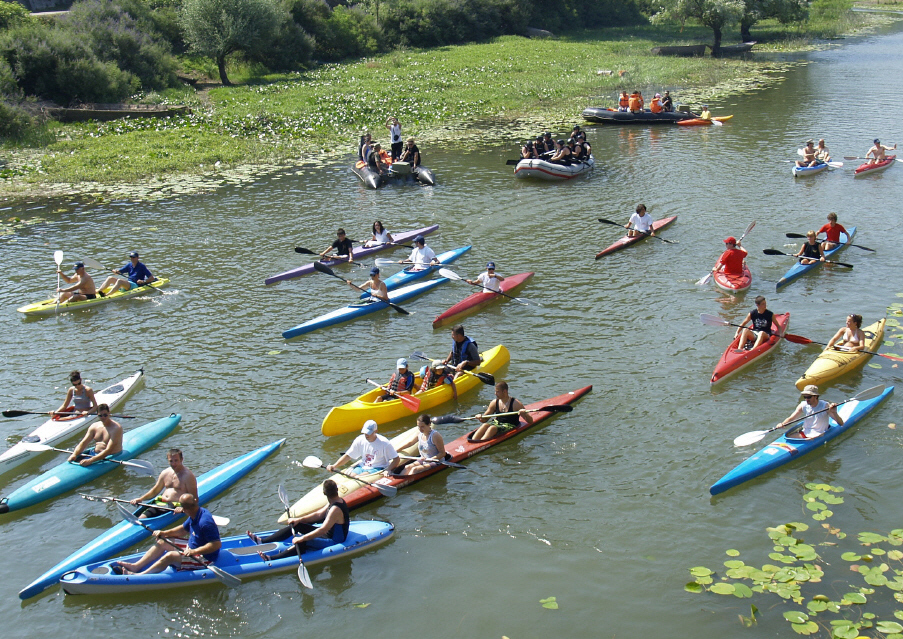
The Skadar lake at the Montenegrin-Albanian border is an ideal destination for water trekking tourism. It’s impressive landscape with small villages along the shoreline and numerous islands with monasteries and small churches, but also the rich birdlife, are inviting for extensive discovery tours. After an analysis of the existing situation, options for the development of Kajak and Canoe tourism where discussed with the national park administration, the tourism organization and local entrepreneurs. Furthermore first steps for further activities where agreed
|
|
|
Crimea Image Survey
|
Crimea-known or not?
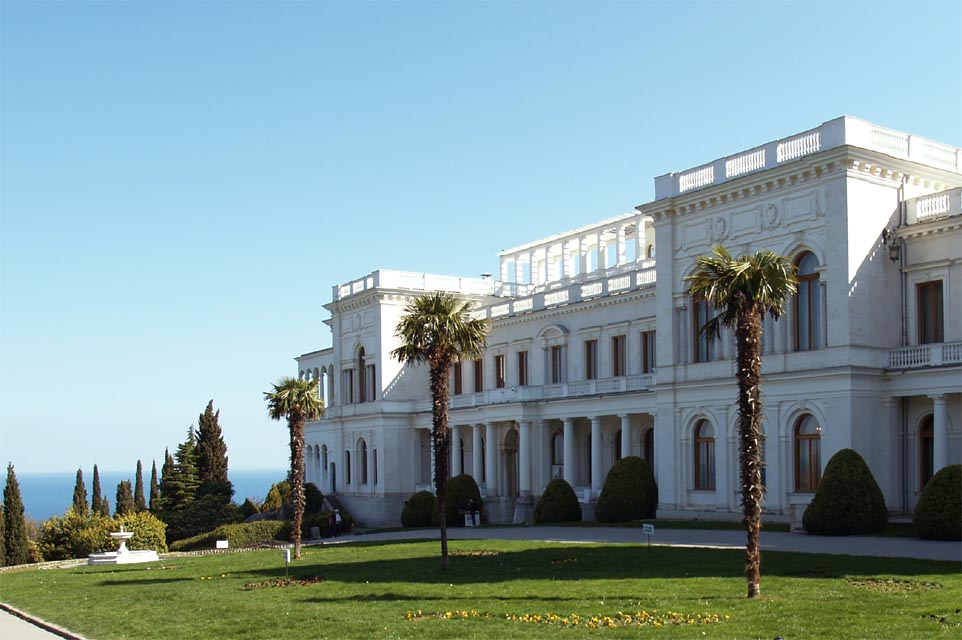
'What comes spontaneously to your mind about Crimea?' This question was recently asked in an online survey at sustainable-tourism.com. Expectedly most participants named in particular the famous Crimean sparkling wine. However, the Yalta conference, which took place 65 years ago in the Liwadjia Palace, was most frequently mentioned.
|
|
|
Forest Shares in Bosnia-Herzegowina
|
Carbon Dioxyde compensation in tourism
Forset shares and the Climate Cube (www.waldaktie.de) nowadays became a brand mark for climate friendly tourism in Mecklenburg-Vorpommern. Now they will be implemented in Bosnia-Herzegowina, a developing tourist destination in the early stages.
The kick off event was at March 12th in Berlin at the ITB (International Tourism Exchange) at the Mecklenburg-Vorpommern booth. The Minister for Environment and Tourism of the Federation of Bosnia-Herzegowina, Dr. Nevenko Herceg and Till Backhaus, Minister for Agriculture, Environment and Consumer Protection in Mecklenburg-Vorpommern will launched the common project.
Areas for tourism-climate forests in Bosnia-Herzegowina have been allready selected. Within a project of the German Technical Cooperation (GTZ), natural forests with visitor interpretation facillities, nature trails as well as active and sport tourist products will be planted in order to support the development of sustainable tourist products
|
|
|
How about the German Clay Route?
|
Workshop arts and the revitalisation of a route
The results of a fact finding mission in order to evaluate the actual tourism situation and the development of options forthe German Clay Route in Brandenburg State, with the focal question how artists could be involved to interpreting the theme 'clay'. The discussion took place with the municipal council of the city of Hohen-Neuendorf in Germany (near Berlin)
|
|
|
|
Gastronomy Workshop in Berlin
|
Small measures count
Renewable energy and energy efficiency are becoming increasingly important in the gastronomy sector. But where and how can energy be saved and how can suche measures communicated in a successfull way to the end consumers? These and other questions were raised in Berlin at a high ranking expert workshop in February 23rd.
The outcome was: despite increasing charges, electric-, gas- and watermeters are still not enough in the mind of the hotel and gastronomy sector. However, the energy saving potential can be enormous: the amount of energy and water consumption in well managed enterprises is about 50% below average. However, new and expensive technology is not the only solution. Small and easy implementable measures which often even do not need any investments can help to save energy and water drastically. And, once informed about these measures, the guest will appreciate environmentally friendly management in the business.
The workshop was conducted by the Chamber of Industry and Commerce in Potsdam and the WInTo (Organisation for the Development of Business, Innovation and Tourism in Oberhavel) in the Best Western Hotel in Berlin Steglitz
|
|
|
Tourism Development in Crimea
|
The Mallorca of the Black Sea
The Crimea peninsula, often also called the 'Russian Mallorca', is facing a substantial decrease in tourism due to the world economic crisis. However the peninsula has several opportunities for tourism development beyond just "sun and beach", which is not yet developed and marketed. The rich cultural heritage, a unique landscape and, last not least, the worldwide known Crimea Champagne, whis is growing in a unique landscape, are just some examples.
In April 2009 a kick off workshop with representatives of the public and the private sector was conducted in Simferopol. The aim was to discuss how tourism can be developed successfully, even in times of the world economic crisis
|
|
|
|
Economic Crisis and Tourism
|
Does the economic crisis has an impact on tourism?
How does the world economic crisis bear on the behavior of tourists? Tourism will be characterised by shorter travel distances, as participants of the recent survey on sustainable-tourism.com assumed. Only one third of the participants took the opinion that there will be no change at all in travel behaviour in future. And only one-fifth of the survey participants believed that there will be less travel due to the world economic crisis
|
|
|
Tourism Development in Bosnia-Hercegowina
|
Tourism as a new income source for the local economy
The German Technical Cooperation (GTZ) in Sarajevo supports the communities Visoko and Travnik in the development of sustainable tourism in order to contribute to regional economic development. Currently the tourism development potential is analysed and measures in the fields of product, communication and management are in discussion with the project partners both from the public and private sector.
Key aspects are for example:
Masterplanning and mission development, visitor guiding and tourism infrastructure, urban design and open spaces, tourism service and -information, tourism marketing and -promotion, nature- and environmental conservation (including energy efficiency) as well as qualitfication and training measures.
|
|
|
|
|
|
Forum Tourism and Development
|
Panel discussion
Dialogue on 'Practice of Sustainable Tourism and International Cooperation' at Reisepavillon, Leisure and Travel Fair f.re.e, New Munich Trade Fair Centre, Thur., Feb. 26th - Sun., Mar. 1st 2009
Program [66 KB]
|
Experts from Thailand in Bavaria
|
Sustainable tourism in practice
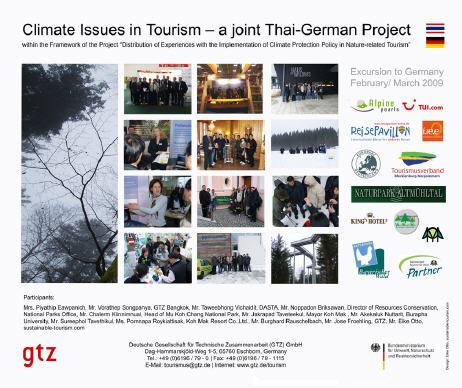
In March 2009 experts from Ko Chang region were invited by GTZ to join a delegation visit to Bavaria. The trip was organised within the framework of the international climate protection initiative of the German Federal Ministry for the Environment.
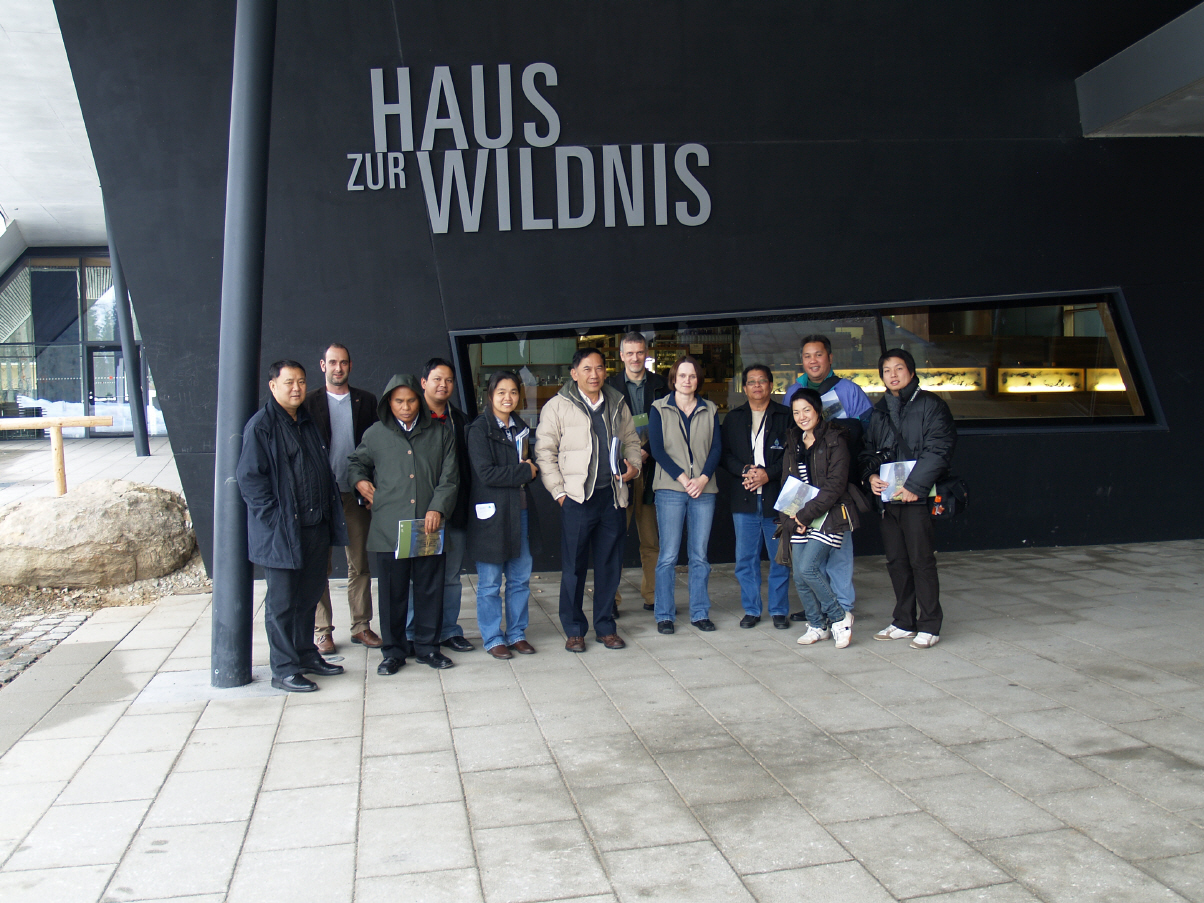
The representatives of the state agency for sustainable tourism development, national park authorities, a municipality and hotels discussed with tourism enterprises and organisations options for climate smart tourism concepts and international cooperation. The program included a visit of the nature park Altmühltal, a visit of the eco house and visitor interpretation center of the nature park Bavarian Forest in Zwiesel and several meetings and inspections in the Bavarian Forest National Park. Beside a winterly-snowy guided tour through the forest with national park rangers the international wilderness camp and the interpretation center (House of the Wilderness) where visited as well
|
|
|
|
|
|
Tourism and Sustainable Development at GTZ
|
A new flyer for GIZ
Information gathering, networking an the support during conferences and congresses are the main topics of a new assignment on behalf of the sectoral project Tourism and Sustainable Development of GTZ. The main themes thereby are: tourism in the context with economic development and poverty alleviation, sustainability standards, nature protection, energy efficiency, destination management and climate change.
The new flyer of the sectoral project:
tourismgtz.pdf [893 KB]
|
Prominent Exhibition Opening
|
Madagascar in Berlin
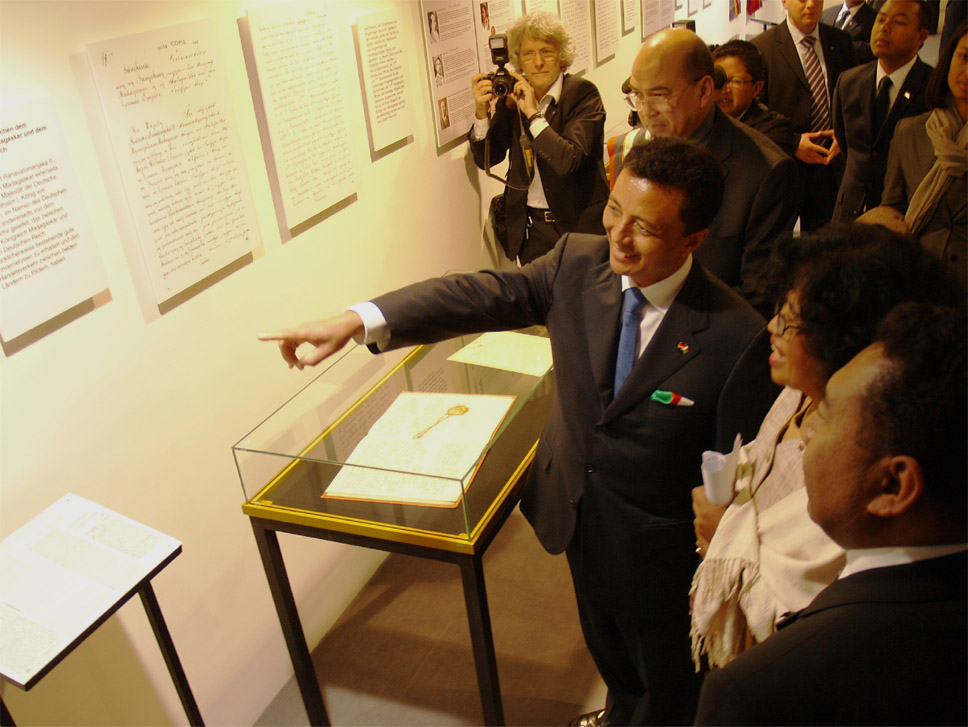
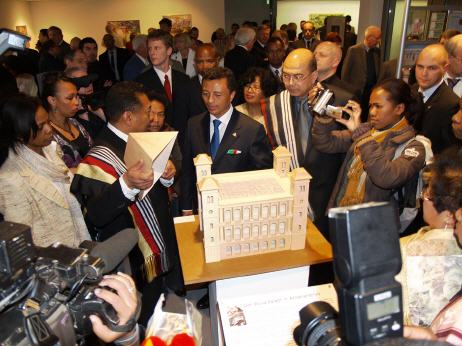
In April 2008 the President of Madagascar inaugurated the Madagascar exhibition at the Art-Center Berlin in Friedrichstraße on the occasion of the 125th anniversary of the German-Malagassy friendship contract. Thanks to the helpfulness of the German Federal Foreign Office in Berlin, original documents from the German Kaiser Wilhelm and his chancellor Otto von Bismarck, which have never been published before, where shown in order to introduce the background history of the contract. Beside information panels and exhibits, Malagassy banknotes which are rated by experts to be the probaply most beautiful banknotes of the world where shown as well. Furthermore paintings of contemporary Malagassy artists and monochrome photos of the star photographer Pierrot Men from Madagascar where exhibited. Finally, a wooden model of the currently reconstructed Rova Palace in the capital Antananarivo was presented the first time in Germany
|
|
|
Climate Protection and Cruise Ships
|
How about the emmissions?
Cruises are becoming more and more popular and today even affordable for average incomes. Dreamliners and their crew are gleaming in white splendidness. But how about the clean record of these swimming hotels? Should carbonate dioxide compensation programmes be offered for cruise ships, as allready common in the airline business? A survey on sustainable-tourism.com showed a very clear result: the tourism industry should, beside air tickets, also offer climate compensation programmes for cruises. Eco cruises, with environmentally friendly technology, an energy efficient management and meals from organic farming, just a future dream?
|
|
|
|
|
|
Climate Change and Tourism
|
Climate smart policy
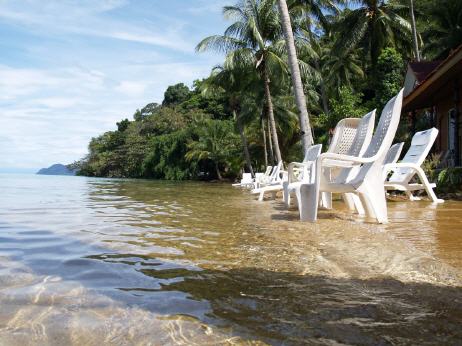
On the example of the tourism masterplan for Ko Maak/ Ko Chang islands in Thailand climate protection measures where discussed and developed in close cooperation with local stakeholders. If you are interested in more details about the workshop "Destination Management and Climate Change" in Bangkok please do not hesitate to contact me!
Client: GIZ
|
Tourism? But Naturally!
|
Solar Industry organizing a tourism workshop
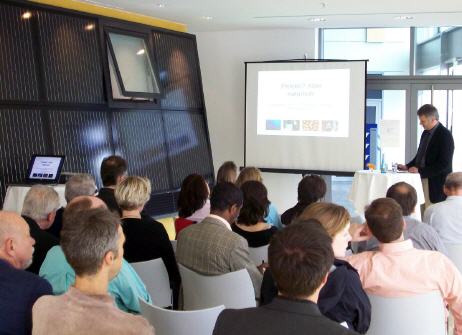
Systaic AG, one of Germanys leading solar companies, conducted a workshop at July 10th on sustainaibility in tourism in the Energydesign-Center in Berlin. Approximately 30 people both from Germany and other countries, such as architects, climate experts and tourism companies attended. After the presentation discussions about climate change and sustainable tourism continued while Germany's first "Solar Beer" was served
|
|
|
Tourism as Sectoral Project of GTZ
|
A new flyer
The sectoral project "Tourism and Sustainable Development" of the Deutsche Gesellschaft für Technische Zusammenarbeit (GTZ) aims to support partner countries to use the potential of tourism for sustainable development and to mitigate ecological and social risks of tourism.
A new flyer, which has been designed recently provides an overview on the sectoral project.
More information under: http://www.gtz.de/tourism
|
|
|
Are Solar Panels interfering with Tourist Regions?
|
Solar panels - new solutions for toruism destinations?
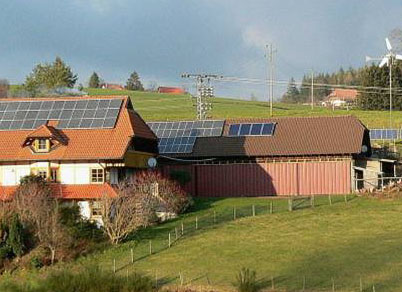
As a matter of course this question may not be seriously raised for new hotel buildings or holiday centers. Energy is expensive, tourists are becoming increasingly environmentally sensitive and due to impending climate change sustainable energy technologies will become self-evident very soon. But how about the use of solar energy in tourism destinations, which are unique because of their idyllic landscapes and historic buildings?Do we have to fear, after the "asparagusation" of the landscape by wind generators the "mirrorisation" by solar panels? Would the authenticity of those unique destinations, which consider an increasing tourist demand, be abandoned?
A recent survey on sustainable-tourism.com showed apparently different opinions regarding this question. Admittetly it has to be pointed out, that nearly everybody was appealed by this question. The answer-box "I don't care" of the survey remained nearly empty. Nearly half of the answers indicated, that solar panels are basically not interfering with tourist destinations. The other half participants of this survey claimed not to install such technology on historic buildings, while solar panels in idyllic rural regions would be acceptable, however it was mentioned that the particular case should be carefully taken into consideration.
Conclusion: environmentally friendly tourism is up to date. The solar industry now is requested to come out with appropriate and aesthetically designed
products, from solar boats to the "designer solar panel". The blue and glittery patchwork on some rooftops might be than possibly a thing of the past quite soon.
And how about a solar interpretation trail for tourists? Possibly even a solar edutainment center? Or Germanys first solar-Hotel? Manyfold options, but somebody has to take the challenge!
|
|
|
|
|
|
|
|
|
Climate Protection Survey
|
More showcases needed
It started with CFC-free refrigerators, today climate protection affects nearly all products, from the beer crate to energy production. But: well-meant is not meaningly well done and well done unfortunately is not always well-meant ... How is the tourism industry doing? Are German travel agents enough dedicated to climate protection?An online survey on sustainable-tourism.com recently showed, that german tour operators should do much more in for protecting the climate.
After all, almost a quarter of the answers acknowledged that german tour operators are engaged in this field. However, the question about examples or known best practices almost remained unanswered. Fees and environmental taxes where considered by the majority as most acceptable to ensure financing of activities in climate protection. More than 75% of the participants in the survey stressed, that they would agree to pay a higher price for environmentally friendly tourist products. Taxes for the financing of conservation projects or for more environmentally friendly infrastructure, however, met less approval.
Result: tour operators should handle climate protection efforts much more offensively. "Do best and talk about", this well-known idiom seems to match again. The question about the climate impact of a hotel swimming pool might influence the buying decision in future, as it allready does in the automotive sector, where the Co2 expulsion of cars has become meanwhile an important purchase factor.
Who would have predicted that some years ago?
|
|
|
Sustainable Tourism in the Sultanate of Oman
|
Tourism Conference in the Sultanate of Oman
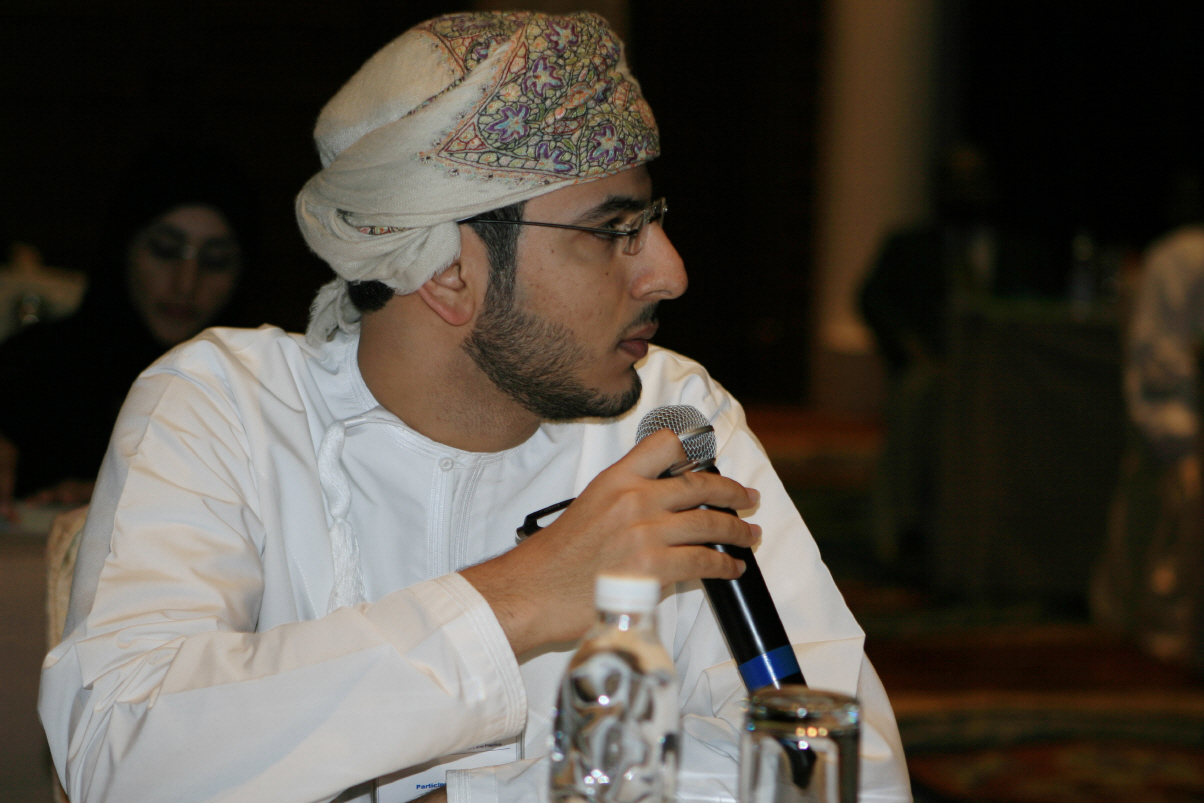
The state owned tourism organisation OMRAN organized ia workshop in February 2008 on coastal zone management and sustainabillity in tourism in co-operation with Berlin-Consult. Representatives of the Ministry for Tourism and from tourism enterprises and organizations attended the event.
Topics such as environmentally friendly design of hotels and watersport infrastructure or environmental management and their suitability for the Sultanate of Oman were presented and discussed with the workshop participants
|
|
|
Coastal Zone Management and Tourism in Adjara
|
Batumi and more
The former so called "Russian Riviera" today is a sun and beach destination for tourists from Georgia and surrounding countries, such as Turkey and Armenia. However, Adjara has much more to offer: remote valleys with ancient stone bridges or, for example, the fascinating history of Batumi, the harbour city, where the Nobel company produced the first oil tankers of the world. A theme Museum shows impressively the history of the town, from the Rothschild clan, Chinese tea farmers who brought the tea to this part of the world to the various nations, which established consulates and embassies during the times of the oil boom in Batumi. Today, the Adjaran coast with its numerous bird sanctuaries faces a never experienced building boom, which requires immediate and target aimed development plans.
|
|
|
|
|
|
Prussia and Madagascar
|
Linking Prussian palaces with Madagascar
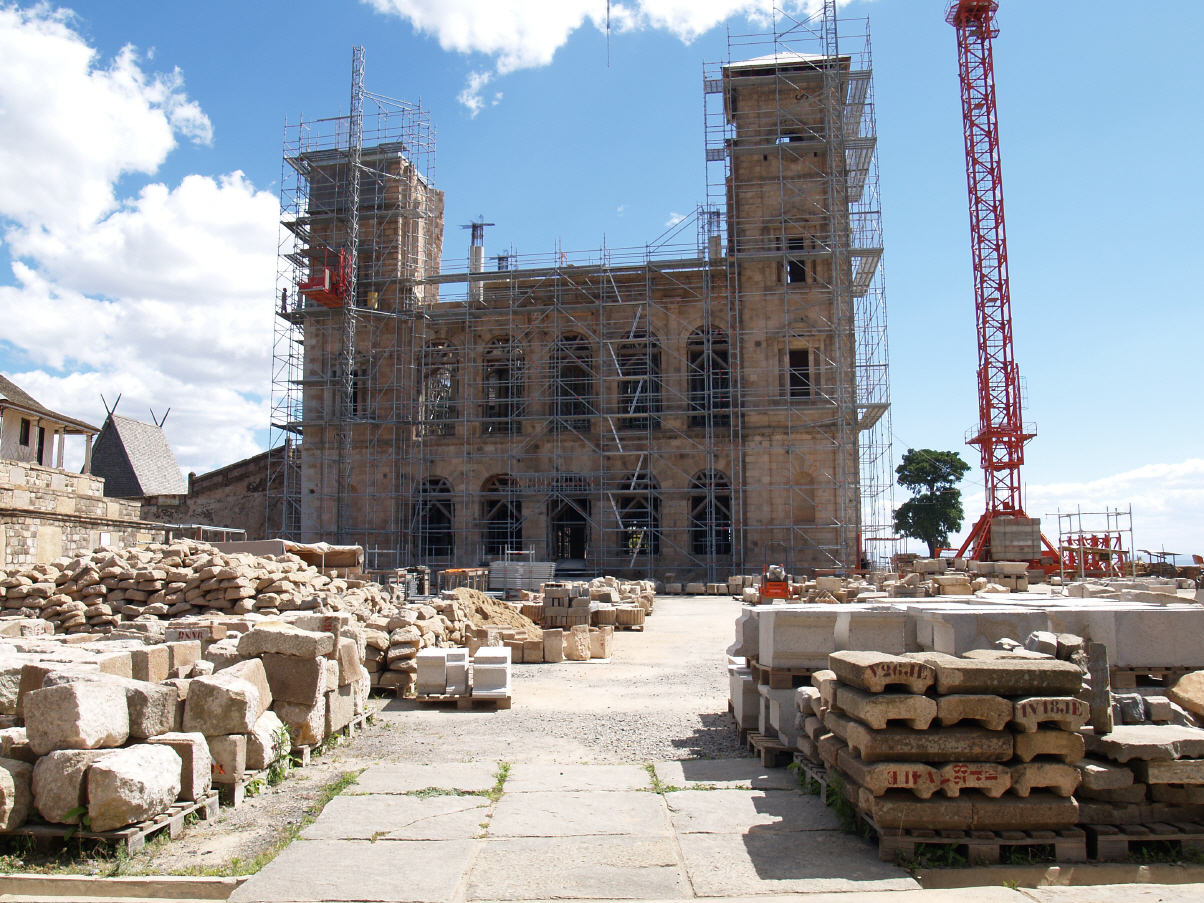
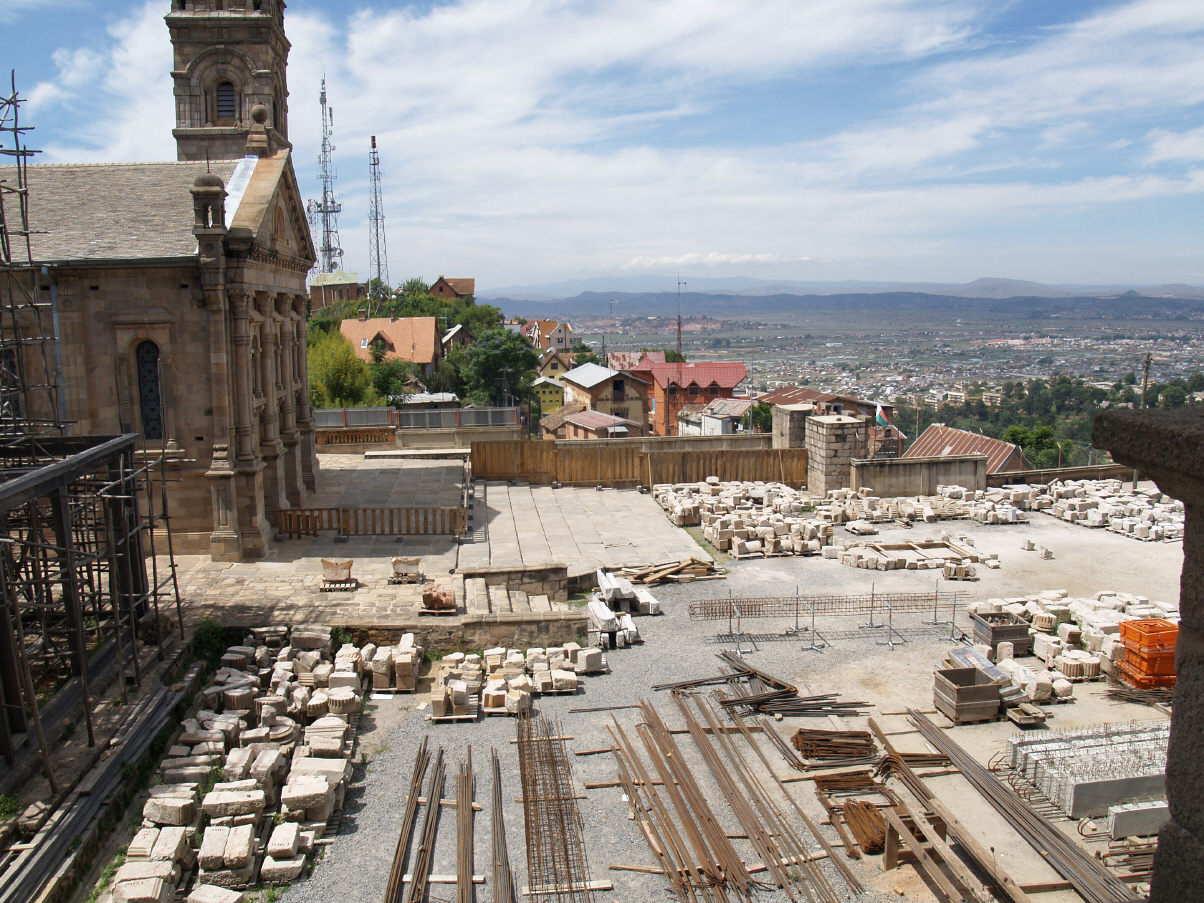
On the occasion of a meeting between the German Federal President and the President of the Rebuplik Madagascar a German Malagassy co-operation project between the foundation of Prussian castles and gardens and the Malagassy National Heritage Comittee was launched in order to exchange experiences, to establish networks and to develop cultural tourism projects within the Rova Palace area in the Malagassy capital Antananarivo.
|
|
|
|
|
|
Far away from Mass Tourism
|
Remote beauty
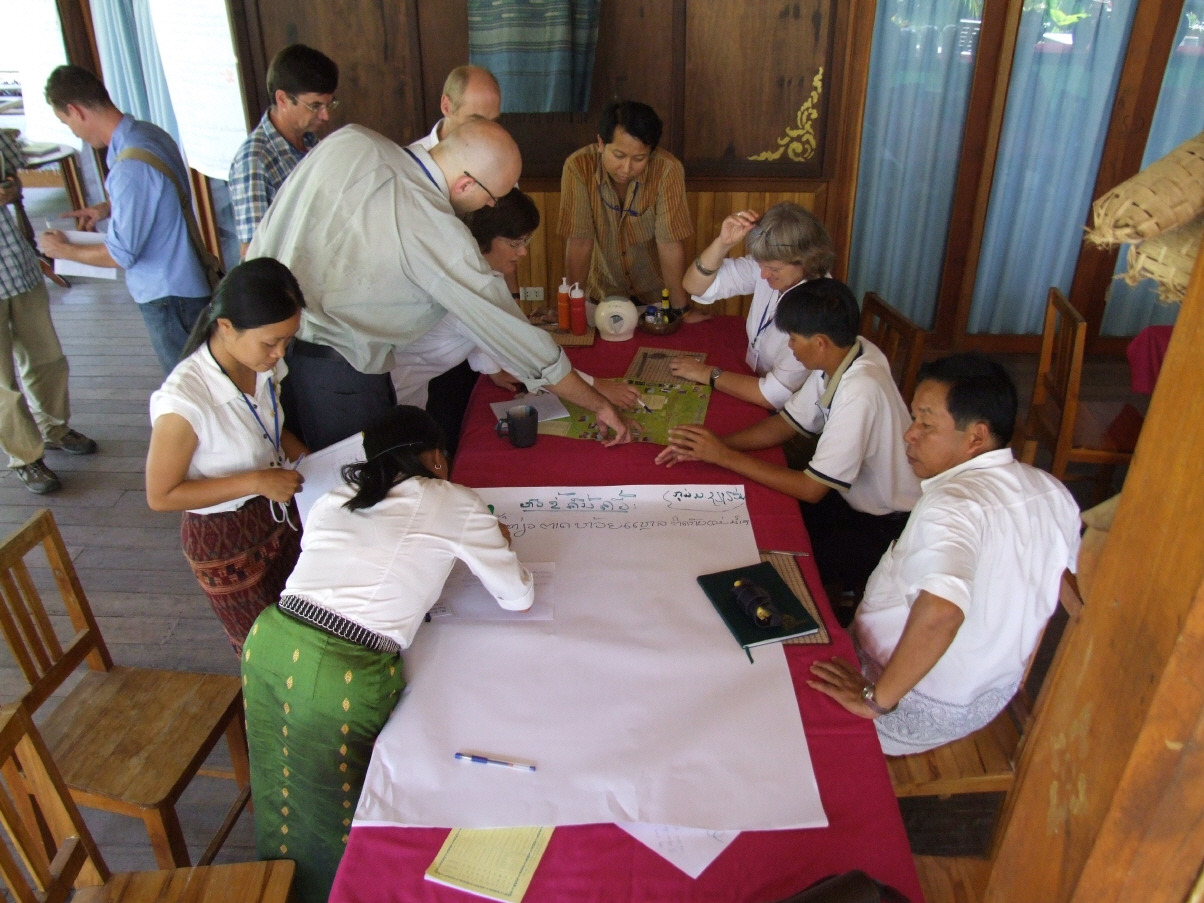
The Sayaboury province in north Laos is not yet much frequented by the tourism industry. The area is located along the Mekong river and counts with its four northern districts today among the last regions with remaining areas of nearly untouched nature in Laos. In Khorp district still original rain forests with a unique flora and fauna, among this also remaining stocks of tigers and bears, can be found. However, the existence of these areas is endangered, most by logging, road construction and poaching. Nature based and sustainable tourism could generate an alternative income in order to protect the valuable landscape. Therefore a tourism development concept with pilot measures in the four selected districts along the Mekong River in North Laos was presented and discussed with local stakeholders in Luang Prabang recently. Nearly 45 guests attended at the workshop and discussed opportunities for further development
|
|
|
|
|
|

 Projects